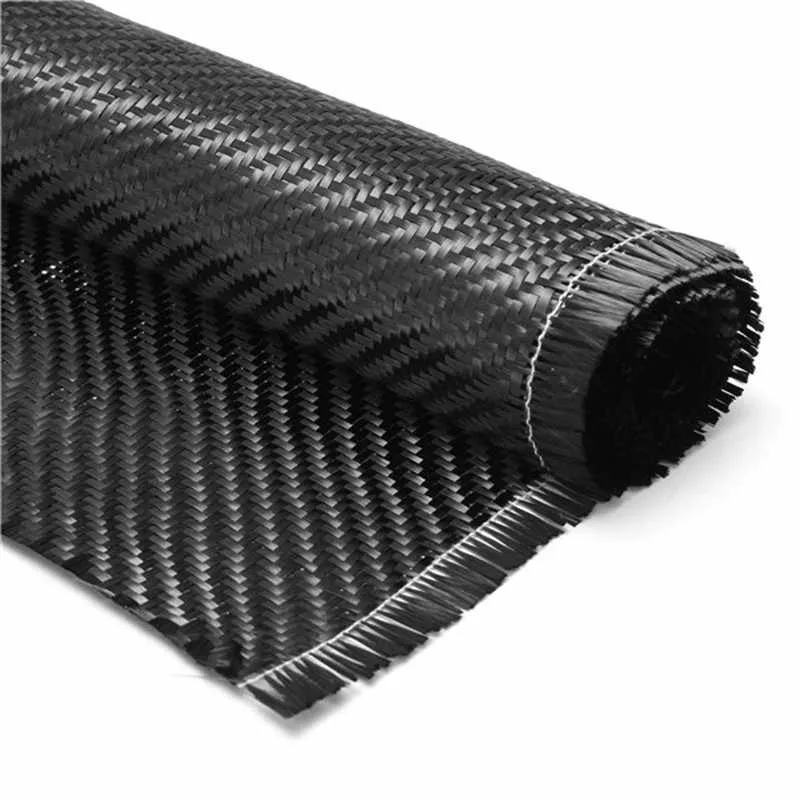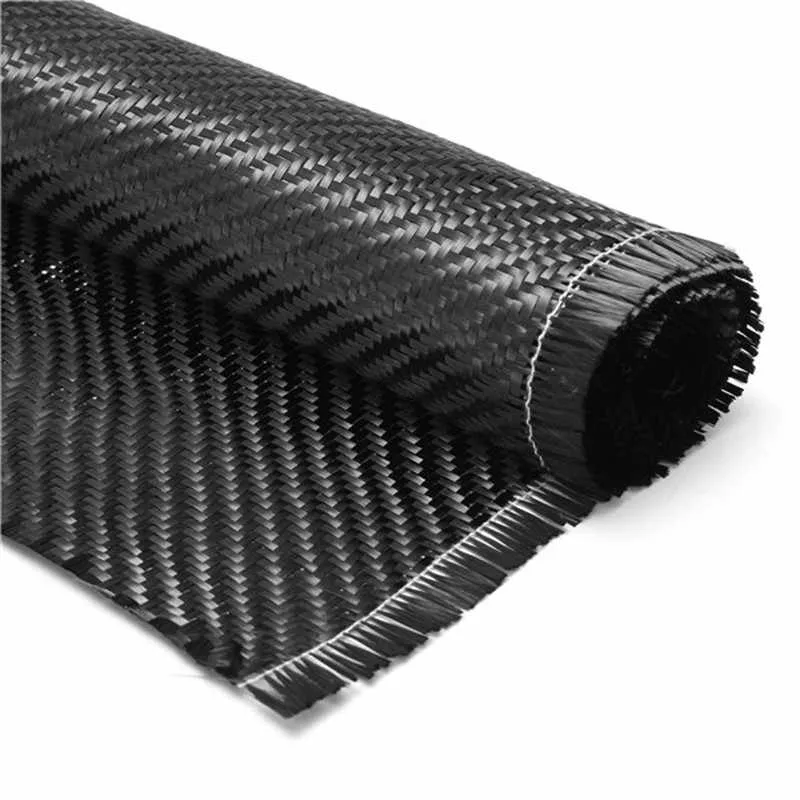
Carbon fiber (biaxial)
The surface density of the fabric reaches 400 grams per square meter. The thickness of the dry fabric is 0.4 millimeters. Resin consumption varies from 130 to 960 g/m². The fibers are straight, without kinks. The fabric is biaxial, that is, biaxial.
USD · Volume pricing available
Categories:
Certifications
Global Shipping 7-14 Days
DHL, FedEx, UPS, Air & Sea
Genuine Products
Authorized distribution
Export License Ready
ECCN, CO, CI, PL, EUS docs
24/7 Tech Support
Pre & post sales
Export Compliance
EAR99AI confidence 50% · NLR — No license required. Standard end-use statement recommended.
Buyer Tier Benefits
Tier discounts stack with volume pricing. Automatically applied after your first order.
Order Biaxial Carbon Fiber Fabric for Heavy Duty Drone Parts
This carbon fabric does not have a specific brand. This is a high quality composite material. Suppliers offer biaxial fabrics in different densities. The products are used in aviation, shipbuilding and motorsports.
- Maximum strength and rigidity thanks to straight fibers.
- Laying speed is 50% higher than unidirectional tapes.
- Stability when cutting without unraveling of threads.
- Uniform resin impregnation for monolithic parts.
- Resin consumption is adjustable from 130 to 960 g/m².
How does biaxial carbon fiber work?
The fabric fibers are oriented at an angle of ±45 degrees. This gives uniform strength in two directions. You cut out the desired shape from the fabric. Then you impregnate it with epoxy resin. Place in a mold (casting or vacuum). After polymerization you get a rigid part. The carbon matrix is not afraid of bending and torsion.
Technical characteristics and functionality
The surface density of the fabric reaches 400 grams per square meter. The thickness of the dry fabric is 0.4 millimeters. Resin consumption varies from 130 to 960 g/m². The fibers are straight, without kinks. The fabric is biaxial, that is, biaxial.
The material is widely used. Hulls of ships and boats. Wind turbine blades. Sports equipment: bicycles, skis, clubs. Aviation and unmanned aerial vehicles. Motorsport, especially driveshafts. This is an ideal material for drones. Frames, beams, and gondola bodies are made from it. Also used in suspensions and protective housings.
Biaxial fabric is stable when cutting. The edges do not fray like other types. Installation goes faster, saving time. Uniform impregnation eliminates voids in the part. You get lightweight and ultra-strong components.
- Surface density: up to 400+ g/m².
- Dry fabric thickness: 0.4 mm.
- Resin consumption: approximately 130-960 g/m².
- Advantages: maximum strength and rigidity (straight fibers), laying speed is 50% higher than that of unidirectional tapes, stability when cutting, uniform impregnation.
- Application: shipbuilding (hulls), wind turbines (blades), sports (bicycles, skis), aviation and UAVs, motorsports (drive shafts).