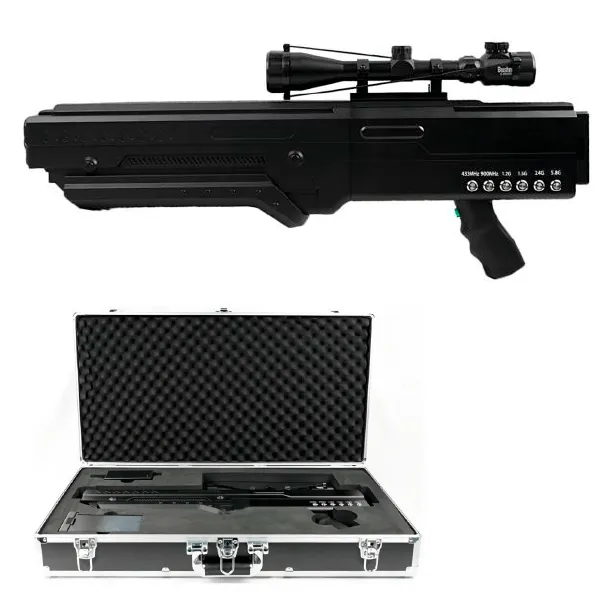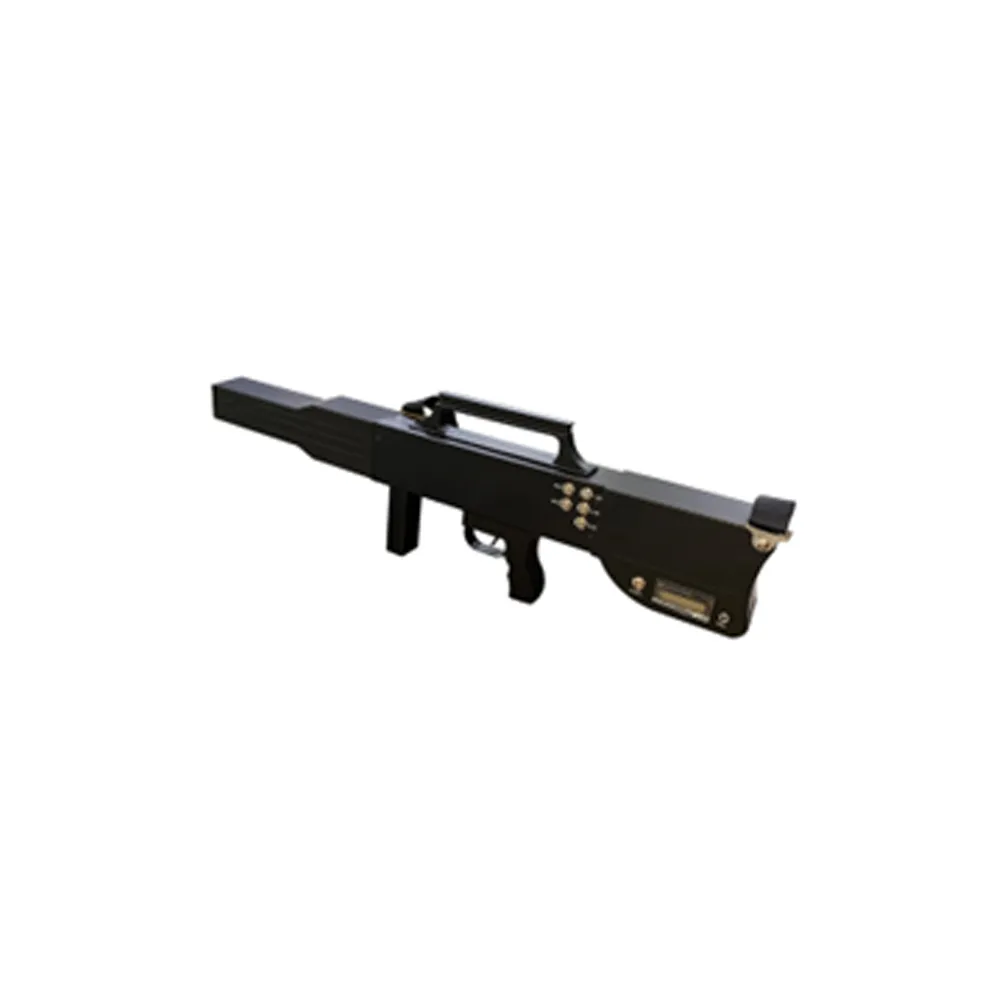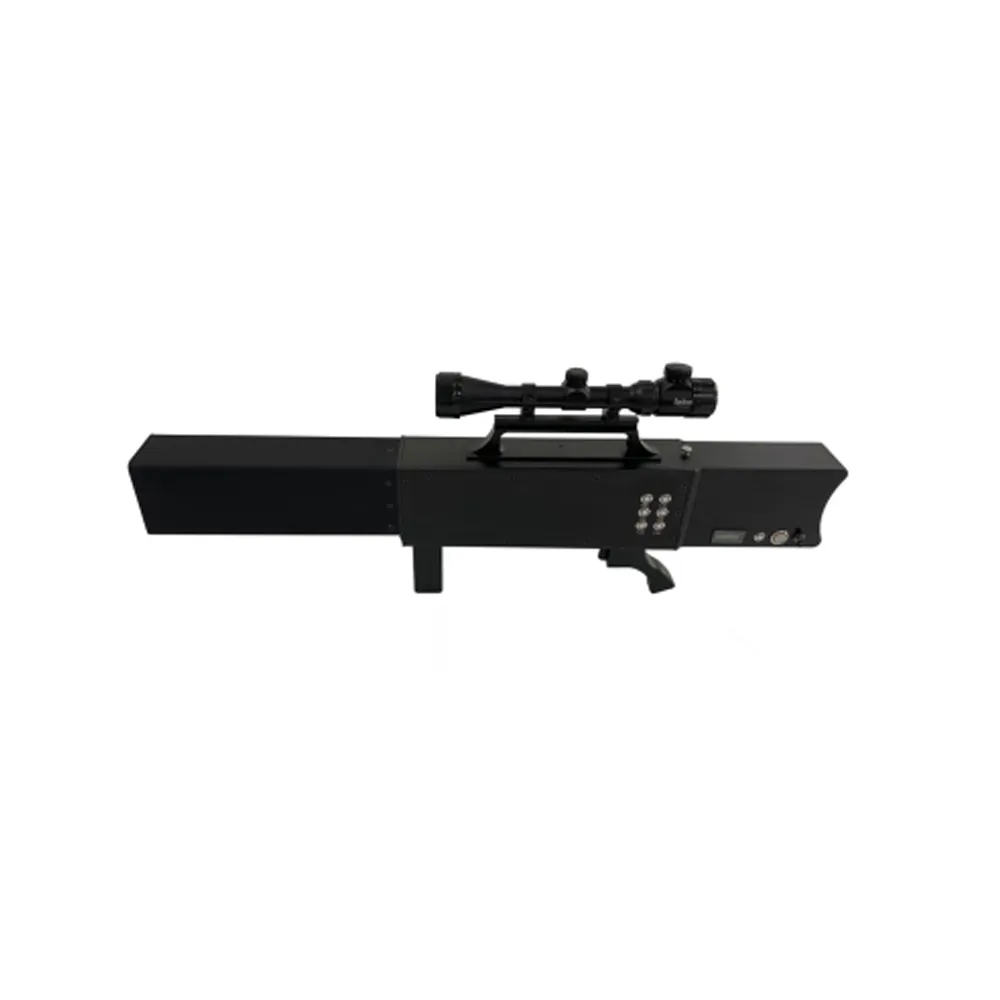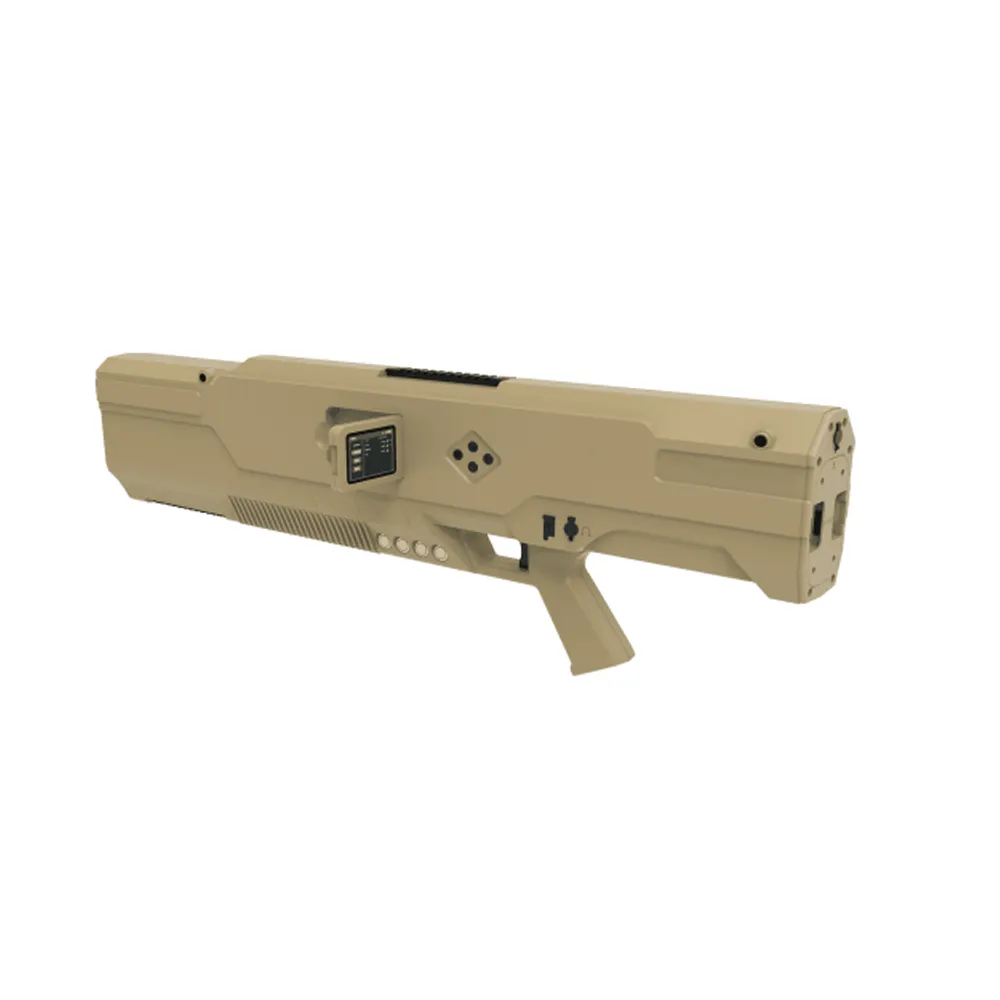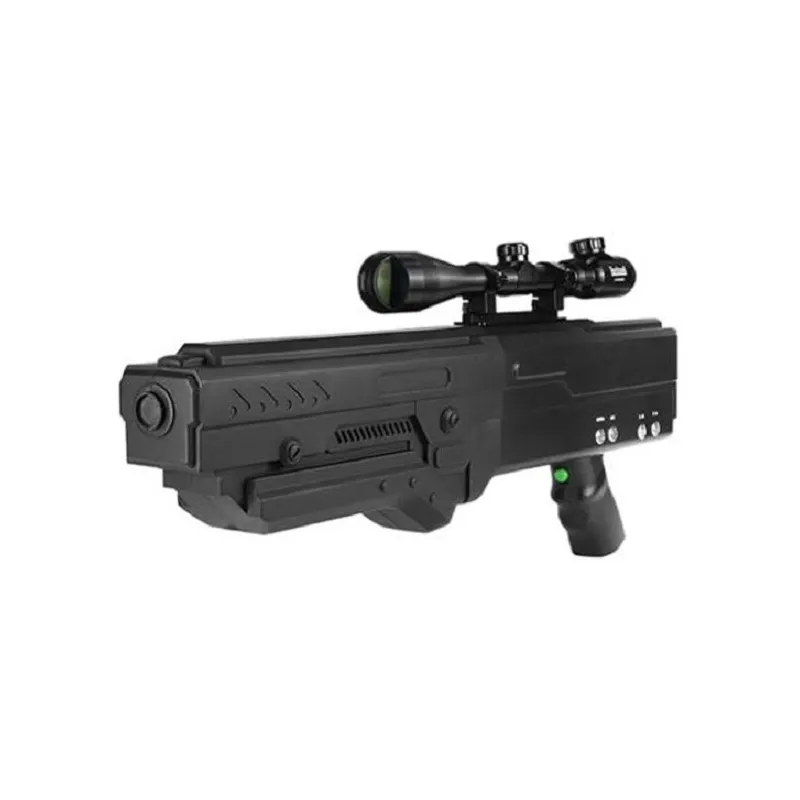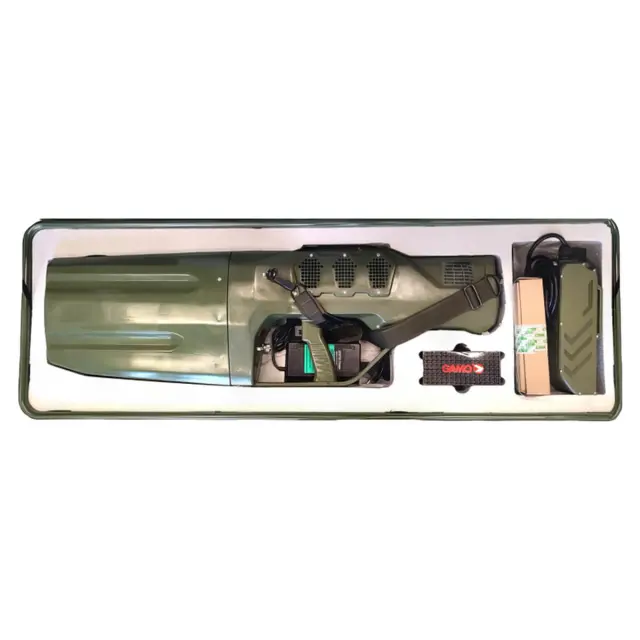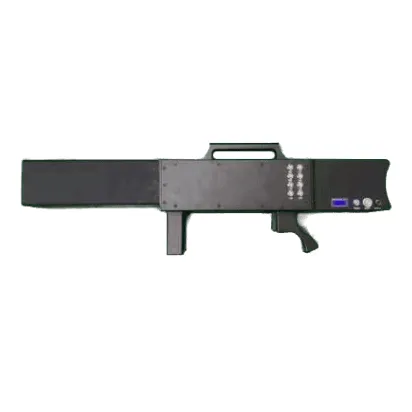
Drone jammer
Power type: external battery, 7800 mAh
USD · Volume pricing available
زمرے:
Certifications
Global Shipping 7-14 Days
DHL, FedEx, UPS, Air & Sea
Genuine Products
Authorized distribution
Export License Ready
ECCN, CO, CI, PL, EUS docs
24/7 Tech Support
Pre & post sales
Export Compliance
EAR99AI confidence 85% · NLR — No license required. Standard end-use statement recommended.
Buyer Tier Benefits
Tier discounts stack with volume pricing. Automatically applied after your first order.
Buy a drone silencer at an affordable price in the COPTERPARTS online store!
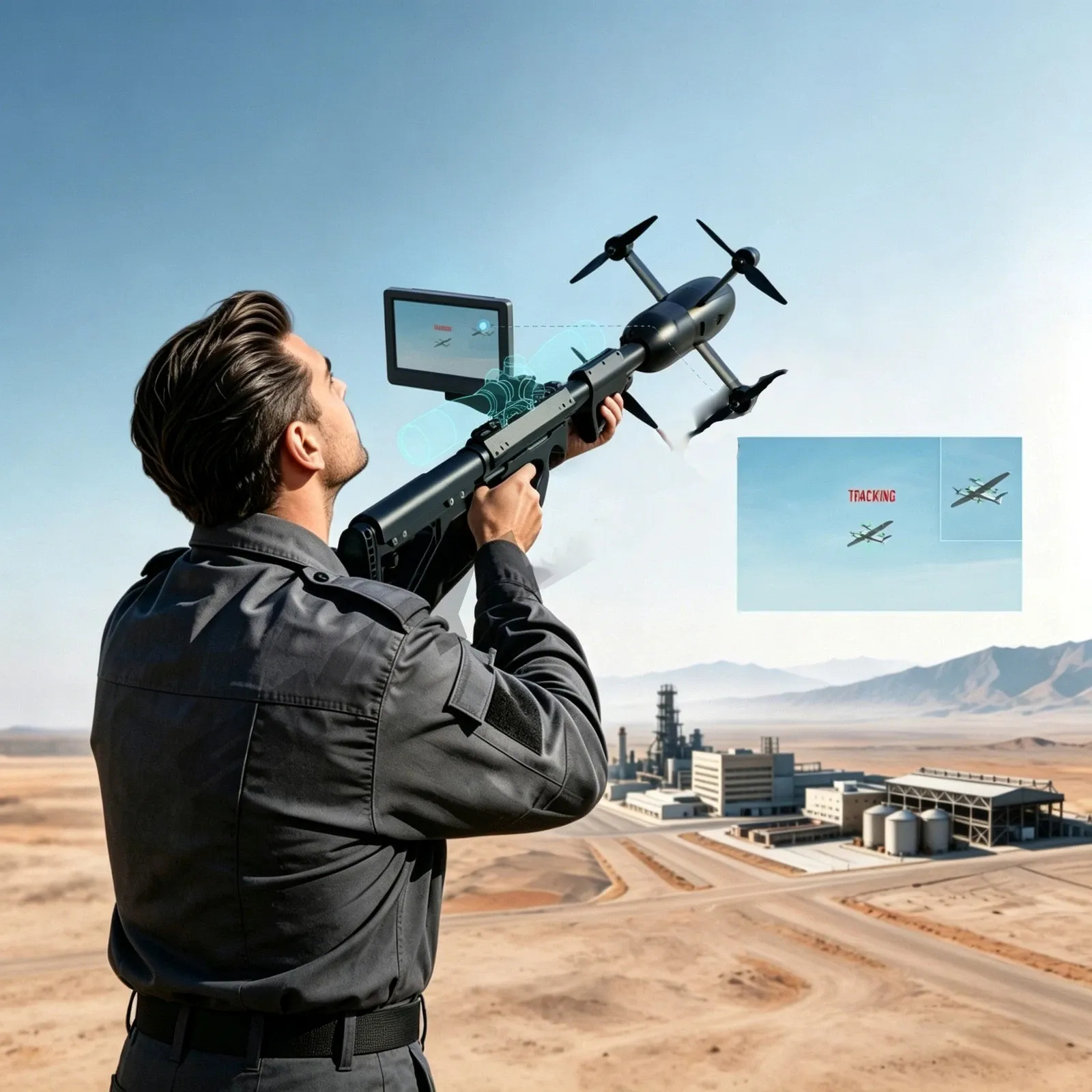
A drone jammer is a device designed to neutralize or suppress unmanned aerial vehicles (UAVs) by disrupting their operation in a certain area. These devices are in demand for security in areas where the presence of drones is undesirable or prohibited, such as airports, government buildings, military installations, public events and private properties. In our online store you can buy a drone silencer at a competitive price.
- Power type: external battery, 7800 mAh.
- Working time: 35 minutes.
- Consumption: 220V.
- Weight: 17 kg.
- Size: 97*49.2*19.5 cm.
- Guide antenna: yes.
- Total output power: 210V.
Drone jammer technologies
Radio frequency (RF) suppression
-
- Operating principle. Jammers that use radio frequency jamming send out a powerful signal at frequencies that drones use to communicate with the control panel or transmit video. Main frequencies include 2.4 GHz and 5.8 GHz. They are standard on most commercial and hobby drones. When a drone enters the range of such a jammer, it loses contact with the operator and either returns to the starting point. The RTH - Return to Home function is responsible for this, or makes an emergency landing.
- Benefits. This is the most common and versatile technology, effective against most drones. It is capable of neutralizing not only the control of the drone, but also the transmission of the video stream, which makes the drones “blind” to their operators.
- Disadvantages. RF jamming may interfere with other devices operating at the same frequencies. For example, for Wi-Fi and Bluetooth. It is also ineffective against drones that are programmed to fly autonomously along a predetermined route.
GPS Jamming
-
-
- Operating principle. Some jammers interfere with the GPS signals that drones use for navigation. The device sends false GPS signals or jams them. This can cause the drone's navigation system to malfunction, causing it to veer off course, lose altitude, or return to its launch point.
- Benefits. Effective against drones that rely heavily on GPS to maintain position and flight path.
- Disadvantages. GPS jamming may affect other devices that use GPS, such as smartphones and navigation devices. It also does not affect drones equipped with inertial navigation systems (INS), which can continue to fly without GPS.
-
Jamming of control and data transmission (C2 Link Jamming)
-
-
-
- Operating principle. These jammers aim to disrupt the control channel between the operator and the drone and can also block data transmission. This makes it difficult for the operator to control the drone. Often used in combination with other methods to increase effectiveness.
- Benefits. Effectively removes the operator's ability to control the drone, which is especially important in situations that require immediate intervention.
- Disadvantages. As with RF jamming, this may interfere with other devices.
-
-
Physical interception:
-
-
-
-
- Operating principle. Some drone jammers use physical means to intercept drones, such as nets fired from pneumatic devices or other mechanisms that capture or immobilize the drone.
- Benefits. This ensures the drone is physically removed from the coverage area and can be used in situations where electronic methods are not possible or desirable.
- Disadvantages. Limited range and the need for precise aiming. Not always effective against drones operating at high speeds or altitudes.
-
-
-
Applications of drone jammers
Drone jammers have applications in a variety of applications, from maintaining public order and protecting private property to preventing espionage and terrorist threats. Modern devices combine several suppression technologies, making them versatile and effective in a variety of conditions. However, the use of drone jammers is regulated by law and their use requires special permits, especially in areas with high density of radio signals and people.