
Drone Frames Guide: Size, Carbon and Folding Classes
The frame is the airframe the whole build hangs on: it sets the wheelbase, the prop size, the battery size and the payload room. Buying a frame before you know those four numbers is the classic mistake. Frame choice is a sizing decision that locks in the rest of the build, so it is worth reading as a system rather than as a bare shell.
Frame size maps to mission
Wheelbase is the master number. A small whoop frame flies indoors and close; a five-inch frame is the freestyle and racing standard; a large folding frame carries survey and imaging payloads. The frame dictates the largest prop that fits, which sets the motor size and the battery cell count that follow. Pick the frame size from the mission and the payload, and let the propulsion choose itself from there.
Carbon, folding and airframe classes
Carbon-fiber frames are stiff, light and the default for performance builds; they transmit vibration but hold their shape. Folding frames trade a little stiffness for transport convenience, packing into a case for travel. A fixed frame is simpler and lighter for a build that never moves; a folding frame earns its hinges when the airframe has to travel in a backpack. Choose the class around how the airframe gets to the field, not around looks.
Arm stiffness and crash repair
Arm stiffness decides whether the camera feed stays smooth. A flexible arm vibrates and jellos the image; a stiff arm holds the prop true. Crash repair is where frame design pays off: replaceable arms mean a hard landing is a five-minute part swap rather than a new frame. Inspect carbon arms for hairline cracks after a rough landing, because a cracked arm loses stiffness silently and fails in flight.
Selecting a frame in the catalog
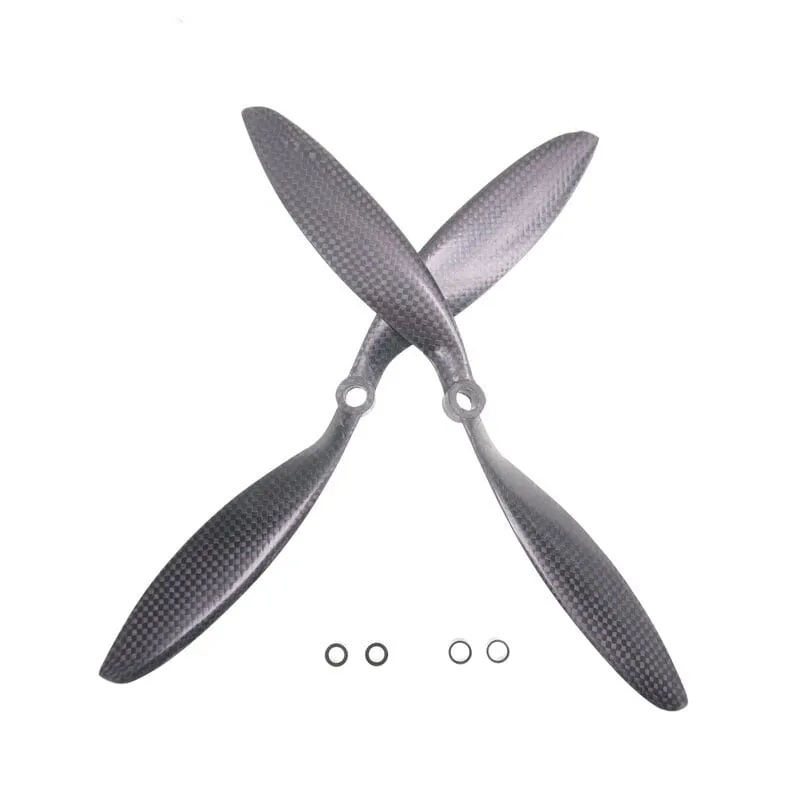
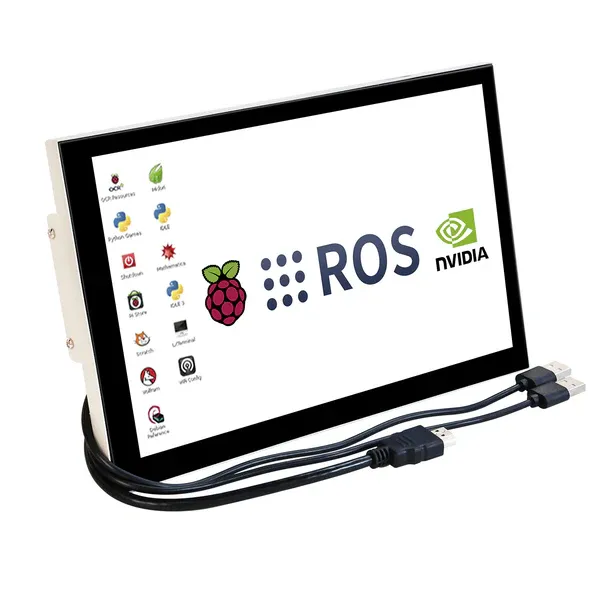
Once the frame size is set, the rest of the build follows: matched carbon-fiber propeller pairs sized to the wheelbase, a ground display such as the 10.1-inch touch screen with metal bracket for the operator, and a battery rotation on a LiitoKala Lii-S6 six-bay charger. The supporting range across the 9imod catalog category lets a builder source the props, chargers and mounts that fit a chosen frame class.
Matching the frame to your build
Start from the payload and the prop size you need, then pick the wheelbase that accommodates them. Choose fixed or folding around transport. Prioritise replaceable arms and inspect them after impacts. A frame that is correctly sized and stiff will make every other part perform better, while a mismatched frame will fight the best motor and the best battery you can buy.

A frame selection checklist
Frame selection is a sizing decision that locks the rest of the build. Start from the largest prop the mission needs, because the wheelbase must clear that prop with margin. The prop size then sets the motor size, the ESC current and the battery cell count that follow. Pick the wheelbase from the payload and the prop, not from a favorite look, and you avoid the common mistake of buying a frame the motors cannot actually fit on. Measure before ordering, and check the mounting pattern matches your chosen motors.
Arm stiffness decides image quality and durability. A stiff arm holds the prop true and keeps the camera feed smooth; a flexible arm vibrates and jellos the footage. Carbon-fiber arms are the performance default, but inspect them for hairline cracks after any hard landing, because a cracked arm loses stiffness silently and can fail in flight. Replaceable arms turn a crash into a part swap, which is why crash-oriented builds favor modular arms over a monolithic plate. Budget a spare arm or two the first time you order the frame.
Fixed versus folding is decided by transport. A fixed frame is lighter and stiffer for a build that never travels far. A folding frame trades a little stiffness for the ability to pack into a backpack or case, which is worth the hinges when the airframe must be driven or carried to the field. Keep the fold pivots clean and flat so they seat fully, because a gritty hinge leaves an arm slightly loose. Pad the arms in transit, since carbon edges chip on impact and a damaged arm undermines the whole build.
Once the frame is chosen, the rest of the kit follows in a known order: matched props sized to the wheelbase, a ground display for the operator, and a battery rotation on a bench charger. Match the frame to the payload weight with margin, because an overloaded frame responds sluggishly and lands hard. A correctly sized, stiff, repairable frame makes every other part perform, while a mismatched frame fights the best motor and battery you can buy. The frame is the foundation, and the build is only as good as its footprint.