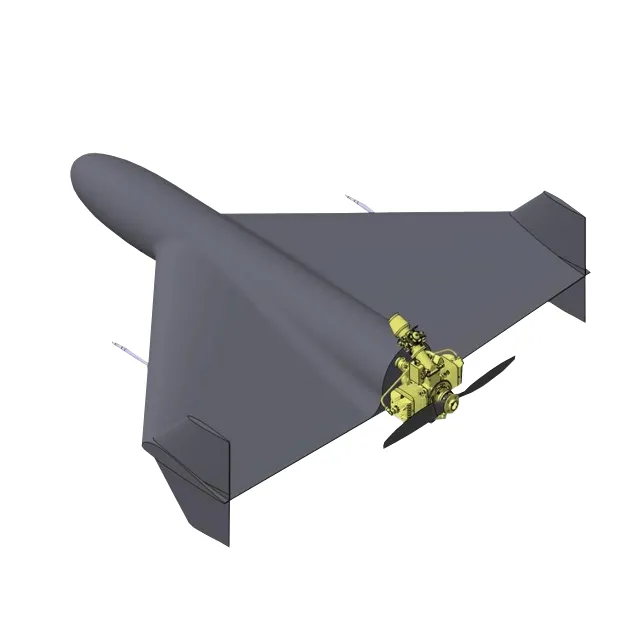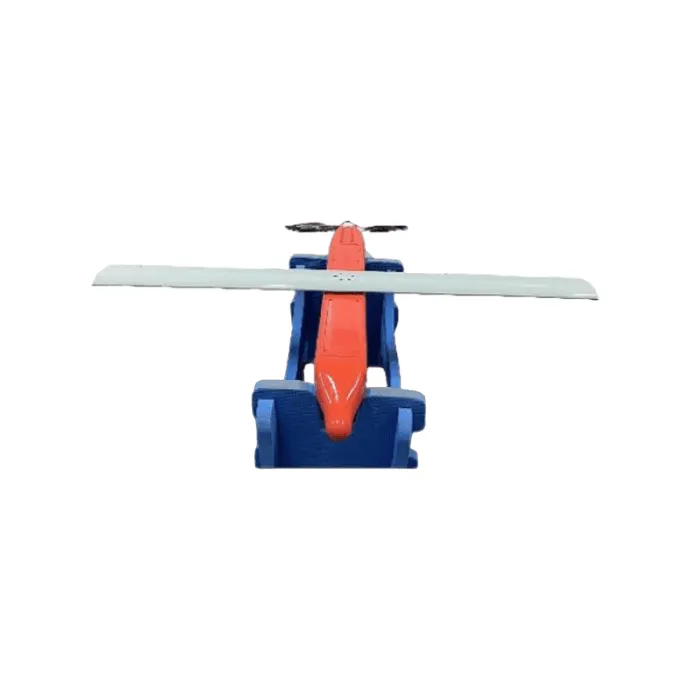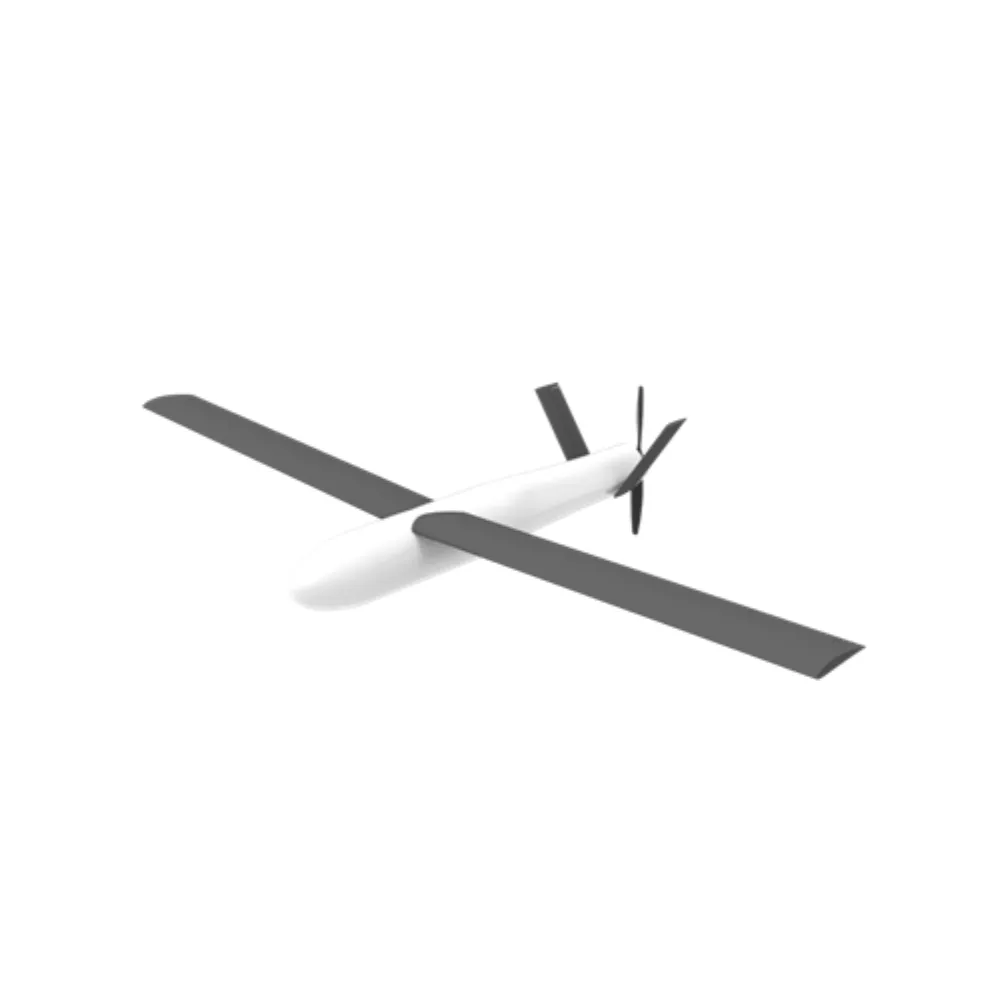
Winged attack drone with electric propulsion
USD · Volume pricing available
Kategorie:
Certifications
Global Shipping 7-14 Days
DHL, FedEx, UPS, Air & Sea
Genuine Products
Authorized distribution
Export License Ready
ECCN, CO, CI, PL, EUS docs
24/7 Tech Support
Pre & post sales
Export Compliance
9A115AI confidence 90% · Export license required. DDTC/BIS authorization needed for all exports.
Buyer Tier Benefits
Tier discounts stack with volume pricing. Automatically applied after your first order.
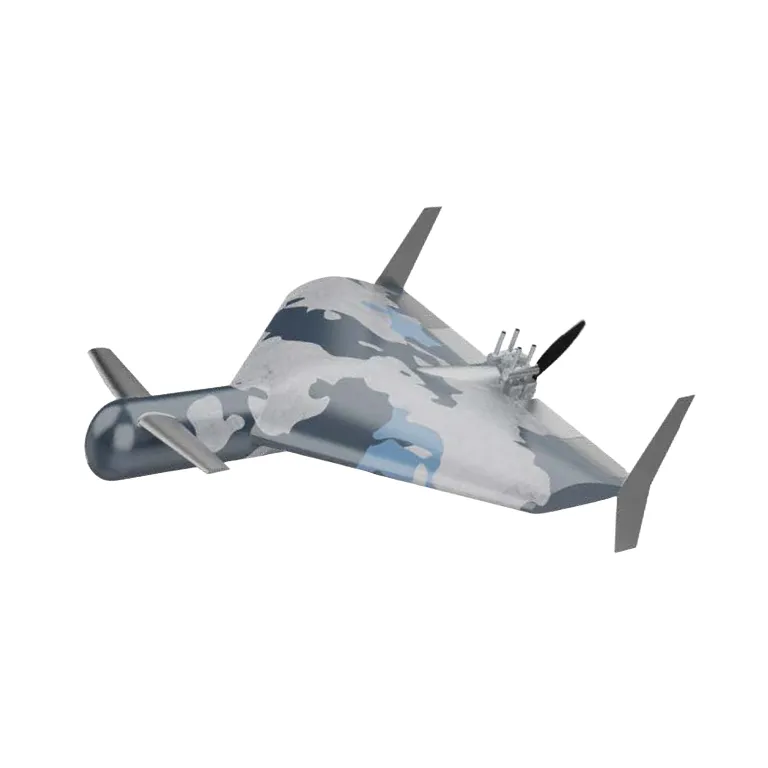
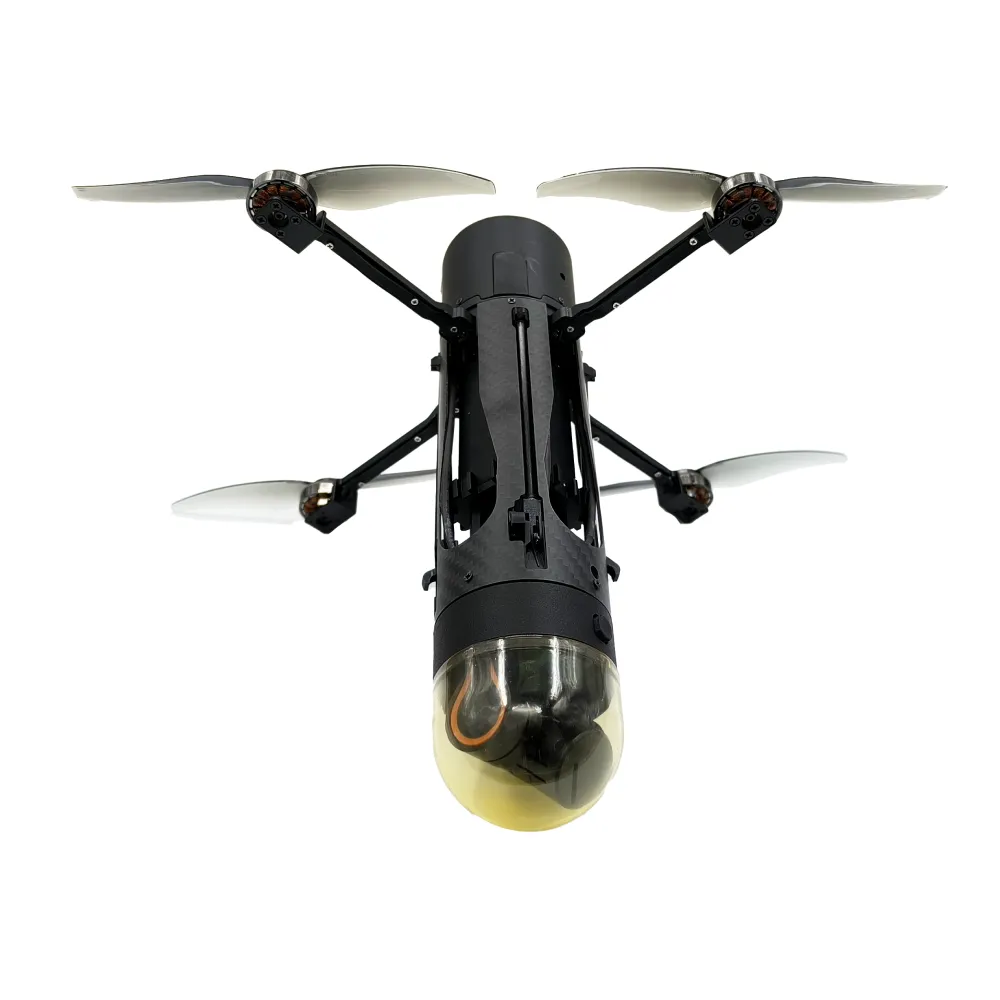
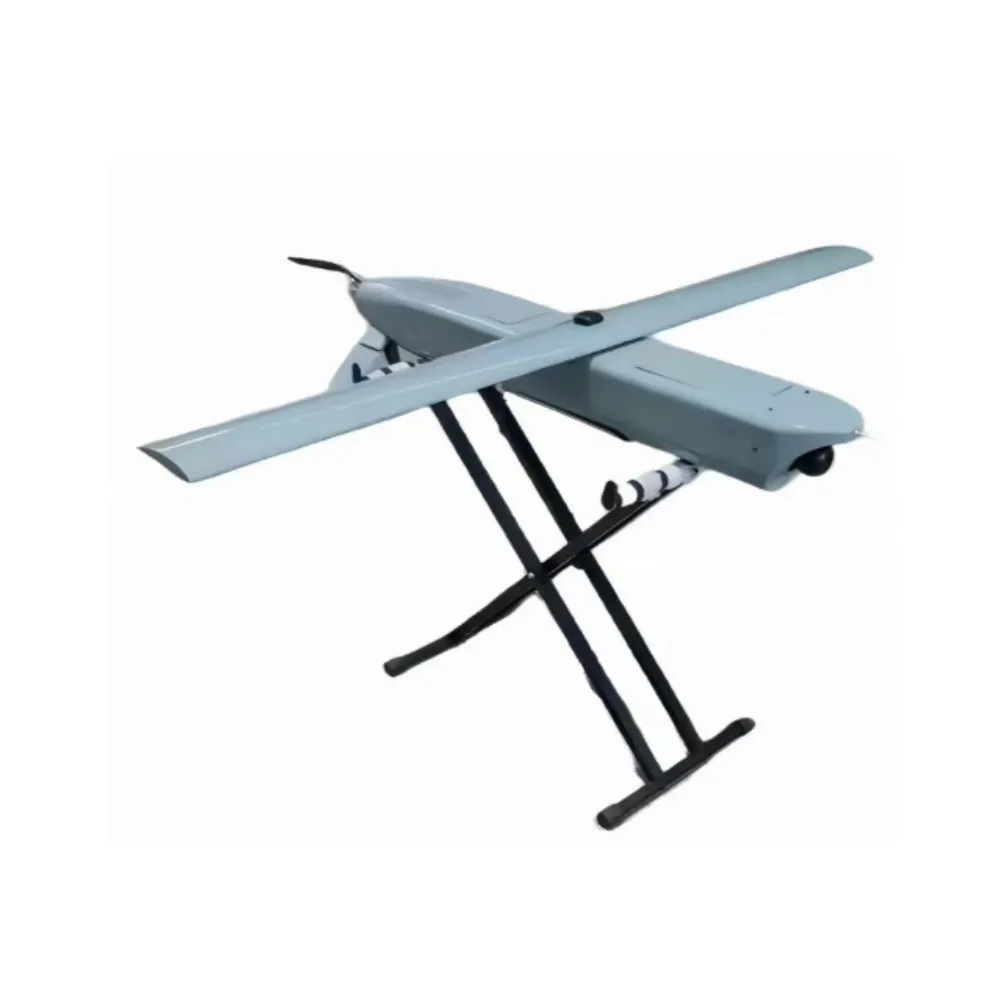
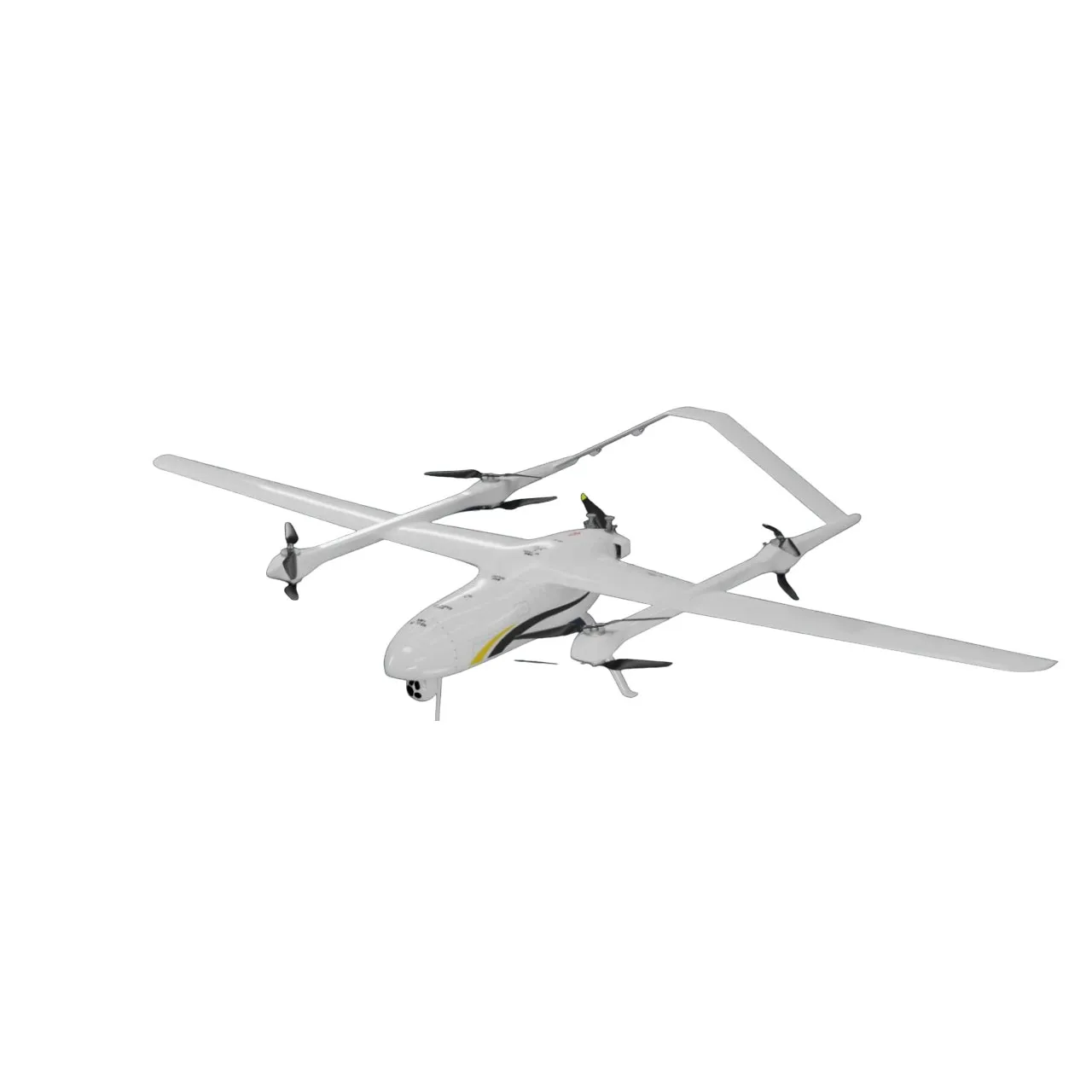
Winged attack drone with electric propulsion
1.1 Basic physical parameters
a) Length: 2.02 m
b) Wingspan: 3.17 m
c) Height: 0.63 m
1.2 Key performance indicators
a) Maximum take-off weight: <40 kg
b) Target load weight: 5kg~10kg
c) Cruising speed: 120 km/h
d) Maximum flight duration: 1.5 hours (load 5 kg)
d) Cruising altitude: 500~1000m
e) Lifting height: 3000 m
g) Takeoff and landing mode: launch from a catapult/recovery by parachute.
Basic product configurations
Depending on the UAV configuration with different
catalogs and mission sensors
There are two following configurations of this UAV:
| Data link | Sensor | |
|---|---|---|
| Standard version | Basic | No |
| Premium version | Integrated | Thermal imager |
Order a long-range winged attack drone with an electric propulsion system
The Electric Powered Winged Attack Drone is an advanced UAV designed to carry out strike missions using an electric propulsion system. These devices combine autonomous control technologies and highly efficient electric motors. This gives them a wide range of capabilities to perform military missions.
Key Features and Benefits
- Electric power plant. One of the key elements of such drones is their electric propulsion. Unlike traditional internal combustion engines (ICE), electric engines have a number of advantages:
- Silence of work. Electric motors operate almost silently, making drones less noticeable to the enemy.
- Environmental friendliness. The absence of carbon dioxide emissions and other harmful substances makes such devices more environmentally friendly.
- High efficiency. Electric motors are characterized by high efficiency and lower energy losses.
- Autonomy and control. Winged attack drones are equipped with sophisticated autonomous control systems, including satellite navigation, artificial intelligence systems and various types of sensors (optical, infrared, radar, etc.). This allows them to carry out missions with a high degree of autonomy, including target acquisition, targeting and strikes.
- Weapon load. These drones are capable of carrying various types of payloads, including precision-guided missiles, bombs and other types of weapons. The electrical system can also be used to control and activate weapons.
- Modular design. Modern winged attack drones are often designed with a modular architecture, allowing them to be quickly adapted to perform different missions. This may include changing the composition of equipment and weapons, as well as replacing power modules.
- Stealth technologies. To reduce their visibility, such drones can use concealment technologies, including special coatings and shapes that reduce radar and heat signatures.
Scope of application and use
- Military missions. Winged attack drones are used to perform a wide range of military missions, including reconnaissance, patrol, target acquisition and strikes against land and sea targets.
- Counter-terrorism operations. Due to their mobility and accuracy, such drones are effective in the fight against terrorist groups, allowing operations to be carried out in remote and hard-to-reach areas.
- Patrolling and monitoring. In addition to military tasks, drones can be used to monitor and patrol state borders, important infrastructure facilities and water areas.
Technological challenges and prospects
Despite the obvious advantages, the use of electric propulsion systems in winged attack drones faces a number of technical challenges. One of the main limitations is battery capacity, which affects flight range and mission duration. However, the active development of energy storage technologies and the creation of lightweight and efficient batteries opens up prospects for increasing the capabilities of such devices.
Winged attack drones with electric propulsion represent an important step forward in the development of unmanned aerial vehicles. Their high efficiency, environmental friendliness and covert capabilities make them a promising tool for a variety of military and civilian missions. The development of such technologies continues to drive innovation in aerospace systems and military technologies.
Specifications
1. Basic physical parameters
a) Length: 2.02 m
b) Wing span: 3.17 m
c) Height: 0.63 m
2. Key performance indicators
a) Maximum take-off weight: ≤40 kg
b) Working load weight: 5kg~10kg
c) Cruising speed: 120 km/h
d) Maximum flight time: 1.5 hours (5 kg load)
d) Flight altitude: 500~1000m
e) Ceiling: 3000m
g) Takeoff and landing mode: catapult launch/parachute return.