Drone camera systems range from micro FPV cameras weighing under 5g to professional 8K cinema payloads on 3-axis gimbals.
Cameras and video Market Overview
Key Specifications & Features
- FPV cameras: 1/3" to 1/1.8" CMOS, 1200TVL+, 2.1mm lens, 16:9/4:3, low-latency analog/digital
- Photography: 1" to full-frame sensors, 12-48MP, mechanical shutter, HDR, 4K/6K/8K video
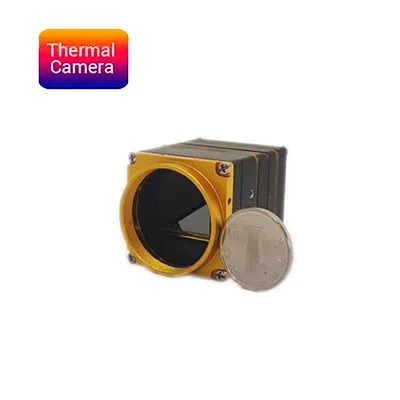
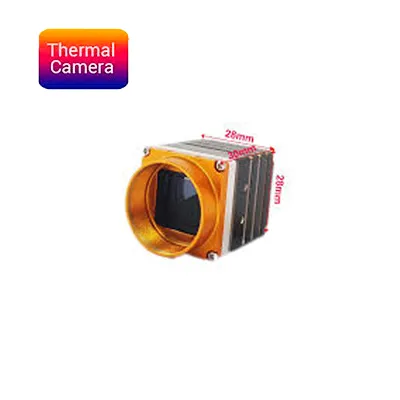
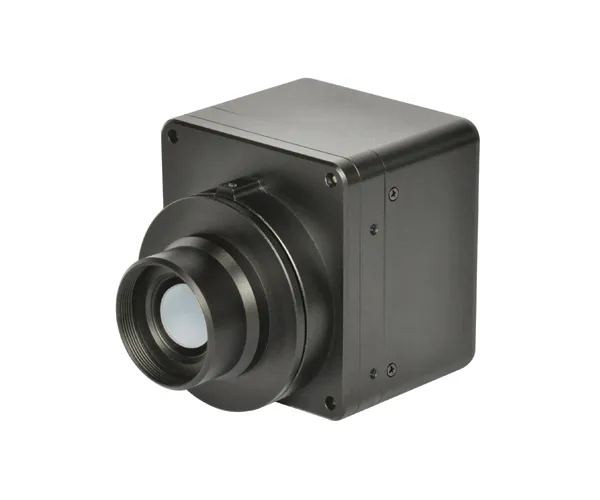
- Thermal: 320x240 to 640x512 resolution, NETD <50mK, radiometric temperature measurement
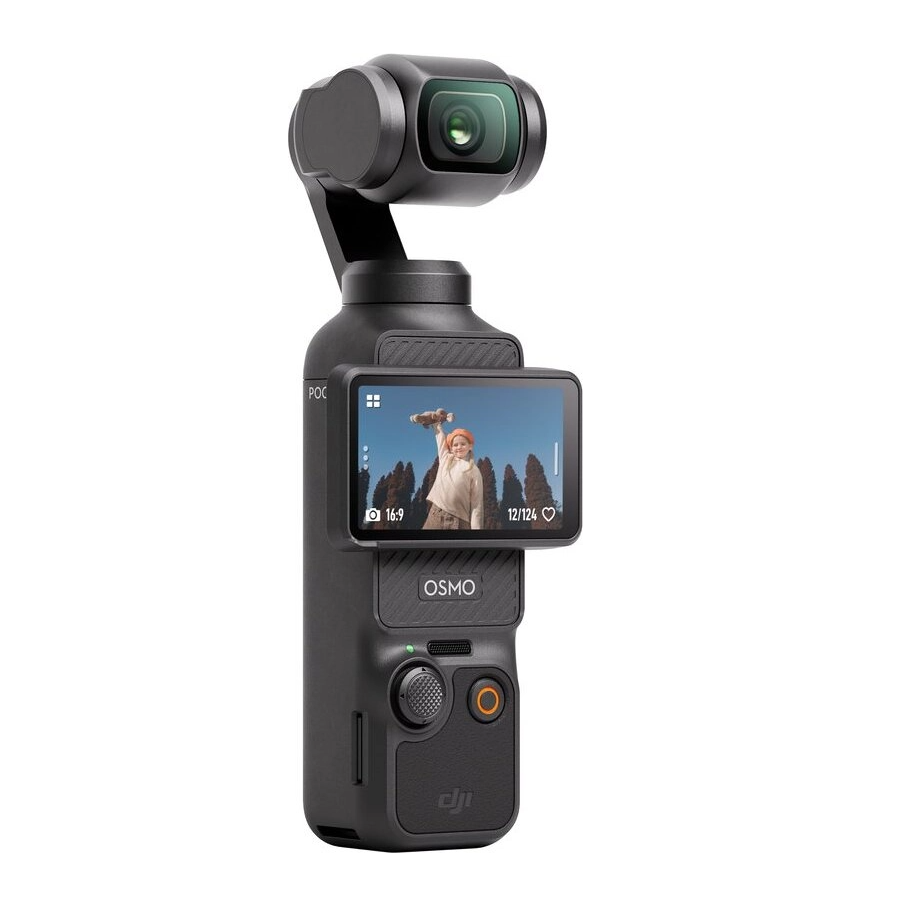
- 3-axis gimbals with brushless motors, ±0.005° accuracy, 360° yaw, quick-release mounting
- Multispectral (5-band) and hyperspectral sensors for agriculture and environmental monitoring
How to Choose Cameras and video
A systematic 5-step process for selecting drone cameras and gimbals for your specific operational requirements.
- 1
Match Sensor to Mission
1/2.3" for hobby photography; 1" for professional stills; Micro Four Thirds for cinema; full-frame for low-light; thermal radiometric for inspection; multispectral for NDVI agriculture.
- 2
Evaluate Lens & FOV
24mm equivalent for mapping/orthomosaics; 35-50mm for inspection; 70-120mm zoom for power line/solar; wide-angle (14-20mm) for real estate. Check distortion — low-distress lenses critical for photogrammetry.
- 3
Choose Gimbal Stabilization
3-axis brushless gimbal essential for video. Look for ±0.01° control accuracy, quick-release, dampening system, and payload capacity exceeding camera weight by 30%.
- 4
Assess Low-Light & Dynamic Range
Check DxOMark-style SNR at ISO 100-3200. Larger sensors (1"+) outperform in dawn/dusk inspection. Starlight sensors (0.0001 lux) for night surveillance.
- 5
Verify Integration & Control
Ensure camera is compatible with flight controller (PWM/CAN/serial), supports trigger control for mapping, and has HDMI/SDI output for live feed. MAVLink cameras integrate with mission planning.
Top Rated Cameras and video on Aegisky


Key Terms & Definitions
GSD
Ground Sampling Distance — centimeters per pixel in aerial imagery. 2-5 cm GSD for mapping; <1 cm for detailed inspection. Determined by altitude, focal length, and sensor size.
NETD
Noise Equivalent Temperature Difference — thermal camera sensitivity. <50mK is professional grade; <30mK is premium.
Mechanical Shutter
Eliminates rolling shutter distortion essential for photogrammetry. Electronic shutters cause jello at high flight speeds.
NDVI
Normalized Difference Vegetation Index — multispectral metric identifying crop health from near-infrared and red light reflectance.
Frequently Asked Questions
What camera resolution do I need for drone mapping?
For 2-5 cm GSD mapping at 80-120m altitude, a 20MP camera with mechanical shutter is sufficient. For detailed inspection (<1 cm GSD), use 45MP+ or fly lower. RTK/PPK geotagging is more important than raw megapixels for survey accuracy.
Can thermal cameras see through walls?
No. Thermal cameras detect surface temperature differences, not see through walls. They detect heat signatures, insulation gaps, electrical hotspots, and people through foliage or smoke, but cannot penetrate solid materials.
Do I need a radiometric thermal camera?
For industrial inspection (electrical, mechanical, solar), yes — radiometric cameras record temperature values for every pixel, enabling quantitative analysis. For search-and-rescue or surveillance, non-radiometric is sufficient.
Related Resources
Request a Bulk Quote
Need drone cameras and gimbals for your organization? Get competitive quotes from verified suppliers with bulk pricing, OEM/ODM options, and global shipping.
Start RFQ