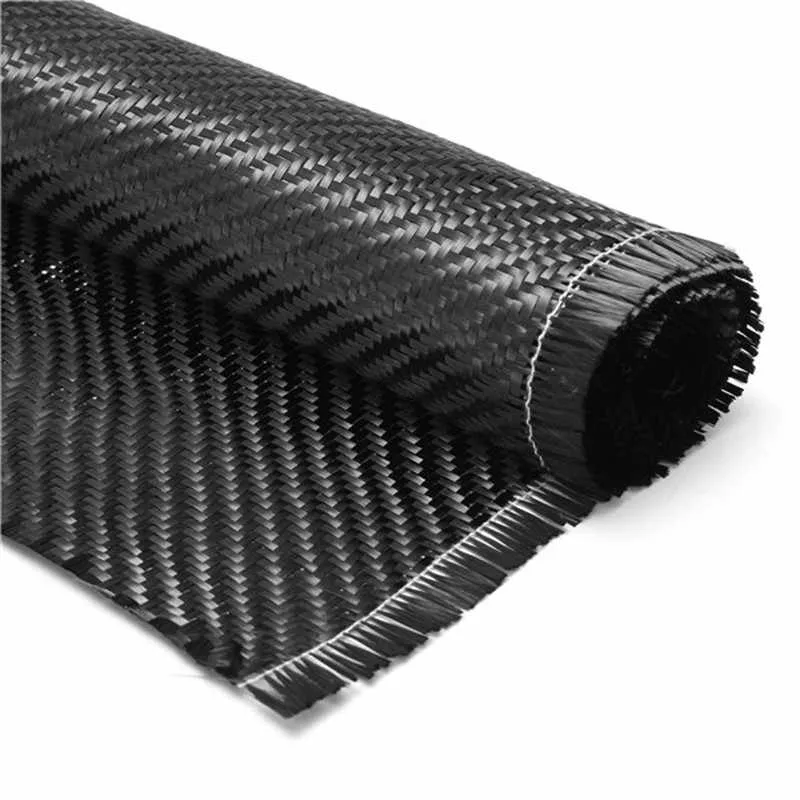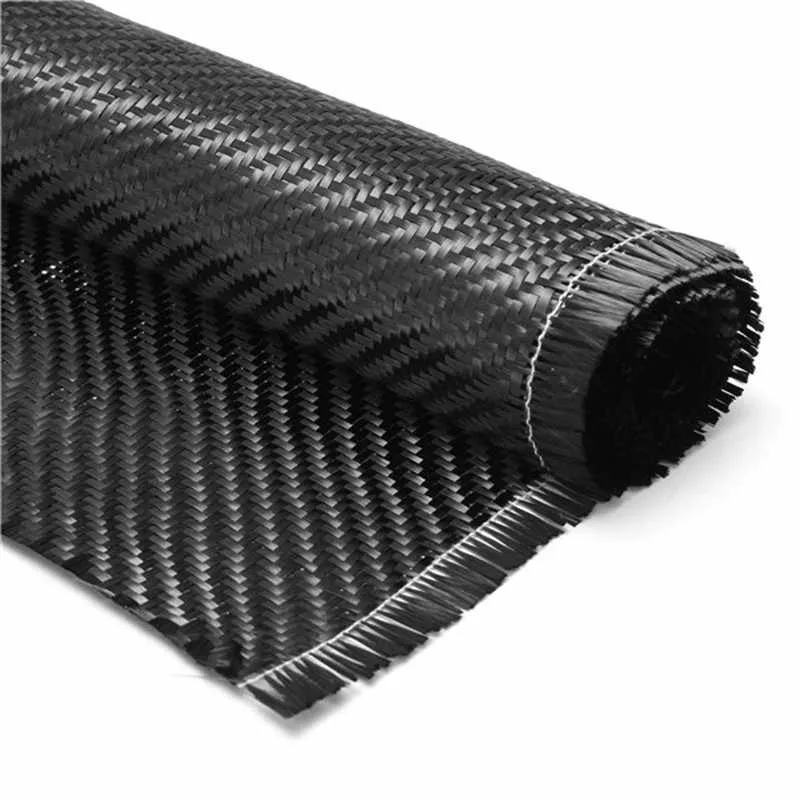
Carbon fiber fabric (twill/canvas)
The surface density of the fabric reaches 400 grams per square meter. The thickness of the dry fabric is 0.4 millimeters. Resin consumption varies from 130 to 960 grams per square meter. The weave can be twill (2×2, 4×4) or plain (1×1). High-strength fibers, straight structure.
USD · Volume pricing available
Санаттар:
Certifications
Global Shipping 7-14 Days
DHL, FedEx, UPS, Air & Sea
Genuine Products
Authorized distribution
Export License Ready
ECCN, CO, CI, PL, EUS docs
24/7 Tech Support
Pre & post sales
Export Compliance
EAR99AI confidence 50% · NLR — No license required. Standard end-use statement recommended.
Buyer Tier Benefits
Tier discounts stack with volume pricing. Automatically applied after your first order.
Order carbon fiber fabric (twill/canvas) for your drone's hard parts
Carbon Carbon Twill/Cloth is a composite fabric from trusted suppliers. Twill and plain are the most popular weaves. They are used in aviation, shipbuilding and motorsports.
- High strength and rigidity with low weight.
- Beautiful twill texture or classic linen look.
- Convenient cutting without unraveling edges.
- Uniform impregnation with resin for a monolithic part.
- Resin consumption is adjustable from 130 to 960 g/m².
How carbon twill weave fabric works
The threads are woven into a diagonal pattern (twill). Or in a checkerboard pattern (canvas). You cut out the blank of the desired shape. Impregnate it with epoxy resin. Place it in a matrix under vacuum or press. After polymerization you get a very rigid part. Carbon is not afraid of bending and torsion.
Technical characteristics and functionality
The surface density of the fabric reaches 400 grams per square meter. The thickness of the dry fabric is 0.4 millimeters. Resin consumption varies from 130 to 960 grams per square meter. The weave can be twill (2×2, 4×4) or plain (1×1). High-strength fibers, straight structure.
The areas of application are very wide. Hulls of ships and boats. Wind turbine blades. Sports equipment: bicycles, skis, hockey sticks. Aviation and unmanned aerial vehicles. Motorsport, especially driveshafts. This is the best material for drones. Frames, reinforcements, and housings are made from it. Also protective covers and hangers.
Twill gives a beautiful shiny pattern. The blade provides maximum strength in two axes. Uniform impregnation eliminates voids. You get parts with high fatigue strength.
- Surface density: up to 400+ g/m².
- Dry fabric thickness: 0.4 mm.
- Resin consumption: approximately 130-960 g/m².
- Advantages: maximum strength and rigidity (straight fibers), laying speed is 50% higher than that of unidirectional tapes, stability when cutting, uniform impregnation.
- Application: shipbuilding (hulls), wind turbines (blades), sports (bicycles, skis), aviation and UAVs, motorsports (drive shafts).