
Thermal Cameras Guide: Drone Thermal Imager Selection
A thermal cameras guide helps a buyer choose between a radiometric thermal payload and an analog FPV thermal camera. They look similar on paper but serve different jobs. This guide reads the catalog thermal options against the mission.
Radiometric versus non-radiometric
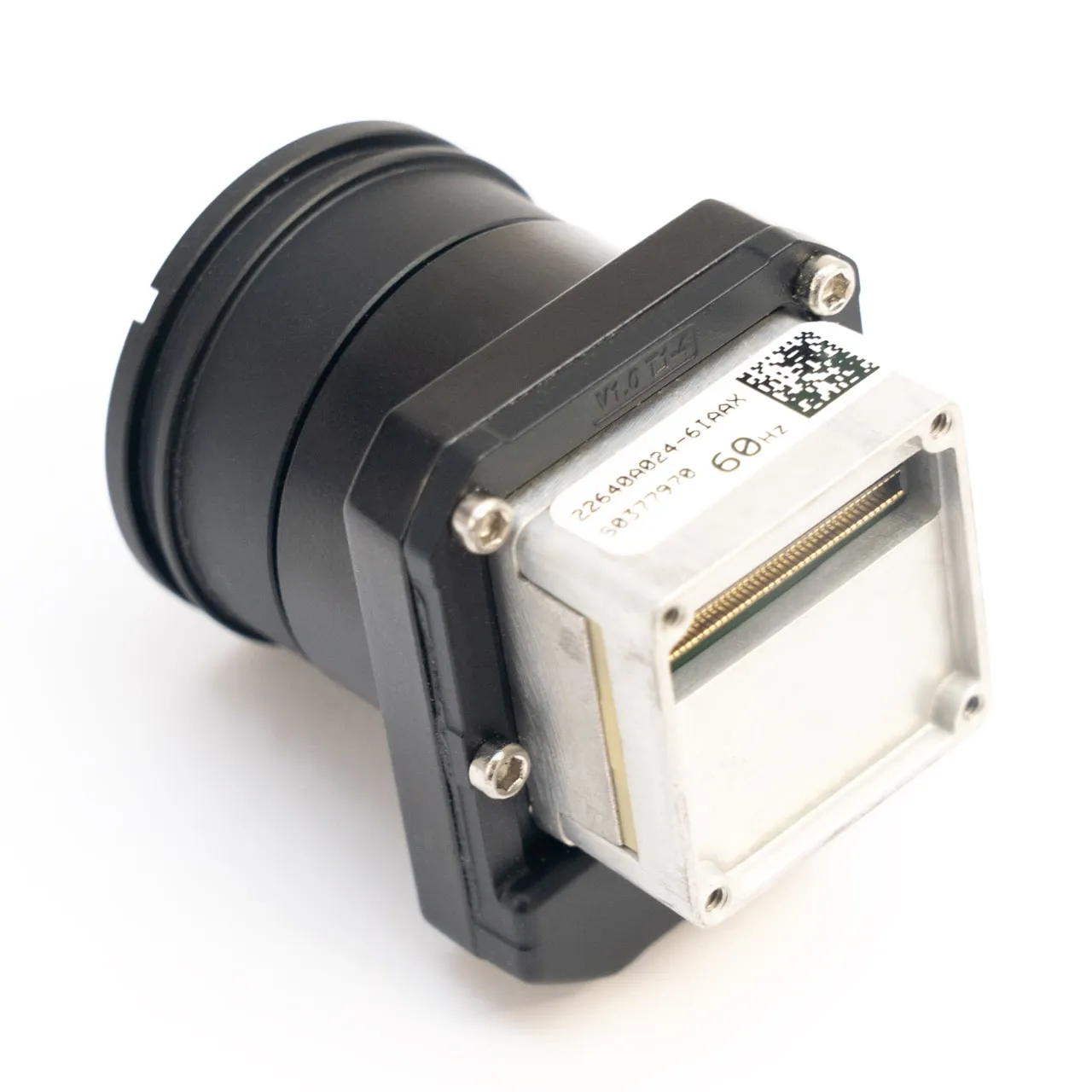
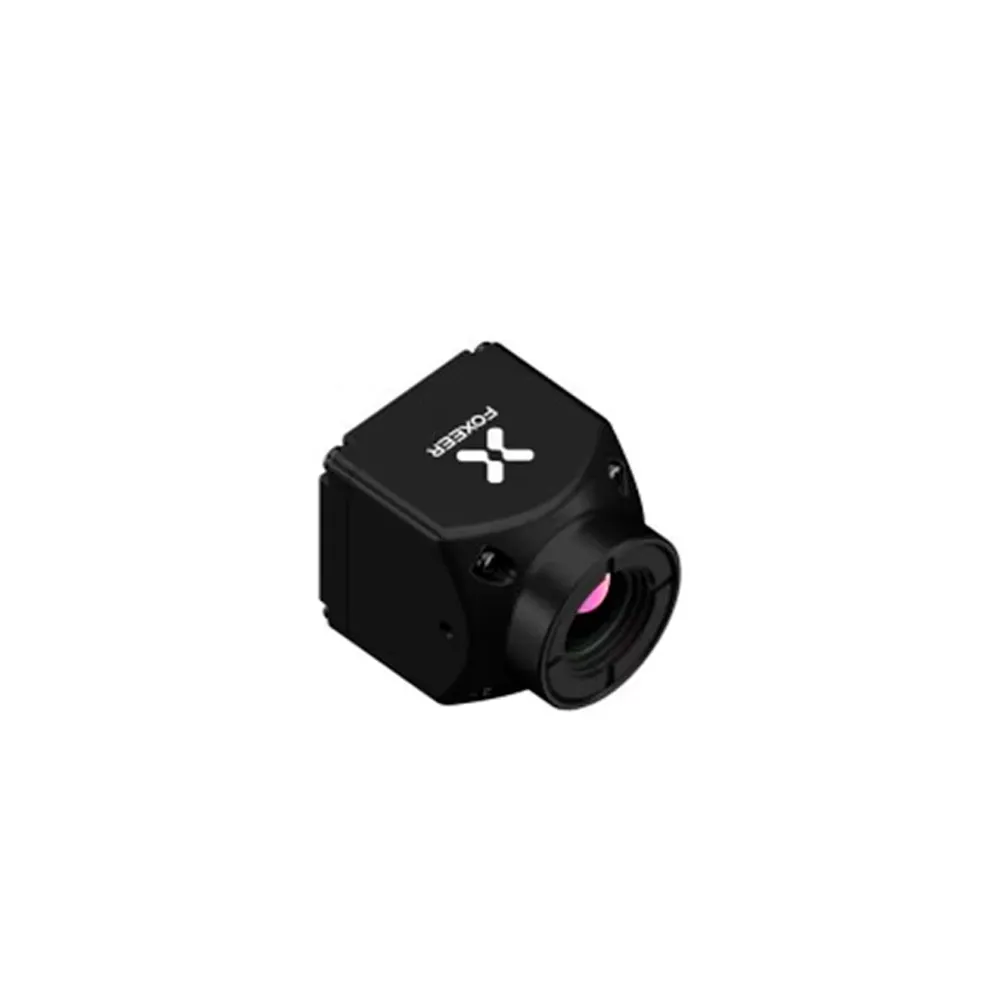
A radiometric thermal camera measures temperature at every pixel and outputs a temperature map. A non-radiometric camera shows a heat picture but does not measure degrees. The catalog FLIR Boson+ 640 is a radiometric thermal core used in inspection payloads. The Foxeer FT640 V2 analog thermal is an analog FPV thermal camera for piloting.
Resolution and NETD
Thermal resolution is measured in pixels across the sensor, and NETD is the smallest temperature difference the sensor can resolve. A 640x512 sensor sees more detail than a 320x240. A lower NETD sees smaller temperature differences. Match both to the inspection distance.
Integrated thermal airframes
The catalog DJI Mavic 3T thermal quadcopter is an integrated airframe with a thermal imager built in. That is the turnkey option for an inspector who does not want to integrate a core. The FLIR Boson+ is the core for a custom integration.
Compliance note
Thermal cores can fall under export controls depending on resolution and frame rate. Buyers shipping thermal cameras across borders should confirm the classification with the supplier. This guide does not state a specific ECCN, because the classification depends on the integrated system.
Selection path
Choose a radiometric core for inspection and measurement. Choose an analog thermal FPV camera for piloting in low light. Choose an integrated thermal airframe for a turnkey inspection workflow.
Radiometry matters when the job is measurement. A radiometric thermal camera outputs a temperature at every pixel, so an inspector can measure a hot component. A non-radiometric camera shows where the heat is but cannot quote a number. For roof and electrical inspection, radiometry is the difference between a picture and a report.
Thermal resolution is not the same as visible resolution. A 640x512 thermal sensor looks low by photo standards but is high for thermal, because the sensor material is expensive. Match the resolution to the inspection distance: close inspection wants more pixels per meter.
The integrated thermal airframe is the turnkey option. A buyer who does not want to integrate a thermal core picks an airframe with the imager built in. The catalog Mavic 3T is that turnkey platform, while the FLIR Boson+ core is the custom-integration path.
A thermal mission checklist
Choosing thermal starts with the deliverable, not the sensor. Decide whether the job is measuring temperature or merely seeing heat in low light. Measurement demands a radiometric camera that records a temperature at every pixel, because an inspector quoting a hot-spot number needs data, not a picture. Piloting or search support demands a non-radiometric thermal feed to the goggles, where the operator only needs to see warm versus cold. Mixing the two is the most common thermal purchase mistake: a non-radiometric feed cannot produce an inspection report, and a heavy radiometric core is overkill for a pilot who only needs night vision.
Resolution and sensitivity are matched to the stand-off distance. A 640 by 512 sensor sees more detail than a 320 by 240, but at a typical inspection stand-off the smaller sensor may still resolve the target. NETD, the smallest temperature difference the sensor resolves, decides whether a hot component stands out against its background; a lower NETD sees subtler heat but costs more. Estimate the closest inspection distance, the smallest thermal feature that matters, and pick the sensor that resolves it. Buying more resolution than the stand-off requires wastes payload weight and budget.
An integrated thermal airframe versus a discrete core is a workflow decision. A turnkey airframe with the imager built in is calibrated, balanced and ready to fly, which suits an inspector who wants to launch and collect data without integration work. A discrete thermal core is the custom path for a team that already owns an airframe and wants to add measurement. The turnkey route trades flexibility for speed; the core route trades speed for a tailored payload. Choose by whether the team wants a flying instrument or a sensor to integrate.
Export classification sits across thermal buying because higher-resolution, higher-frame-rate cores can fall under dual-use controls depending on configuration and destination. This guide does not assert a specific ECCN, since the classification depends on the integrated system and the buyer. Buyers shipping a thermal core across borders should ask the supplier for the classification that matches their use, and keep configuration records. Pair the camera with a stable mount, plan the stand-off distance, and confirm the radiometric workflow before the first inspection flight; thermal data is only useful if it is calibrated and repeatable.