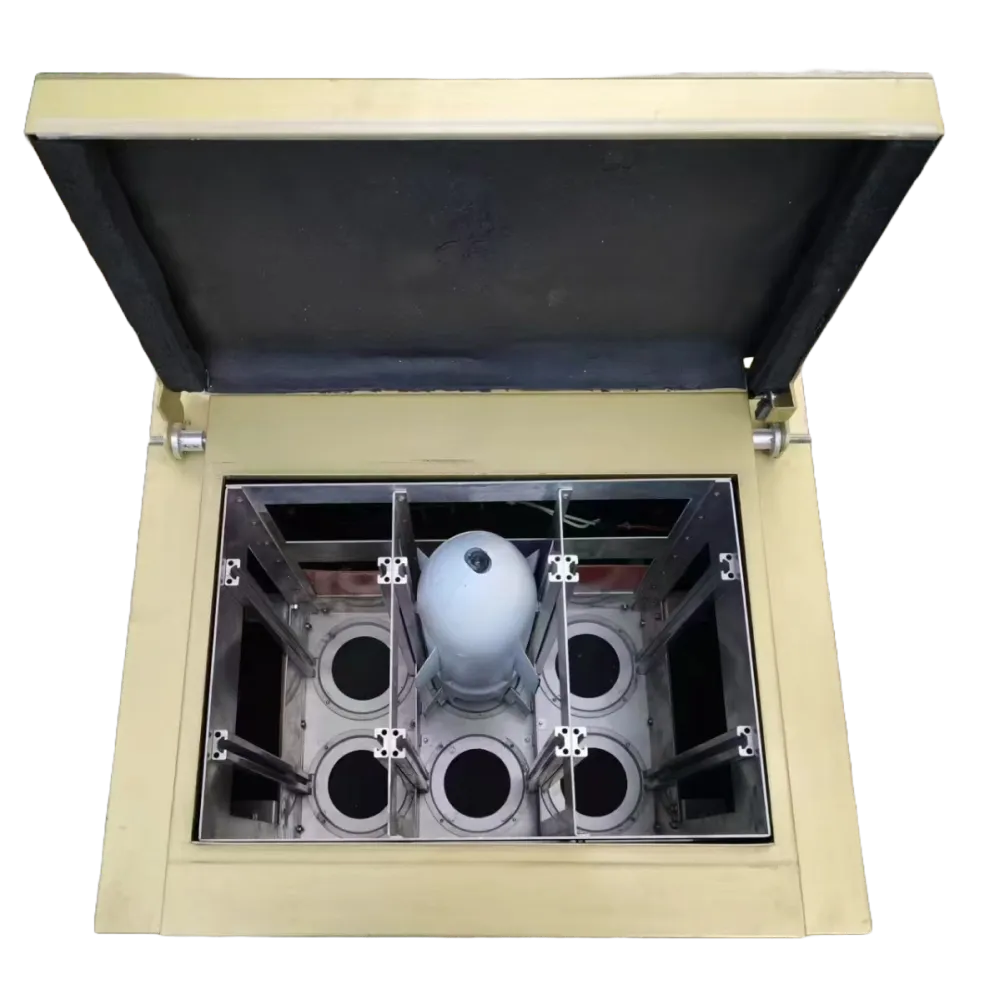
Air defense system for combating UAVs – Hood v 2.0
Air defense system for protecting cities and strategic sites. Can be integrated into a comprehensive air defense system. The kit includes: detection radar, ground station software, 6 high-speed drones, ejection container.
USD · Volume pricing available
Catégories:
Certifications
Global Shipping 7-14 Days
DHL, FedEx, UPS, Air & Sea
Genuine Products
Authorized distribution
Export License Ready
ECCN, CO, CI, PL, EUS docs
24/7 Tech Support
Pre & post sales
Export Compliance
9A115AI confidence 90% · Export license required. DDTC/BIS authorization needed for all exports.
Buyer Tier Benefits
Tier discounts stack with volume pricing. Automatically applied after your first order.
Order Anti-Drone Hood v 2.0 - Your reliable protection against UAVs
Looking for reliable drone protection? Anti-drone Hood v 2.0 is a modern Russian anti-drone system. It effectively suppresses airborne threats. The complex was created to neutralize a wide range of UAVs.
Workflow
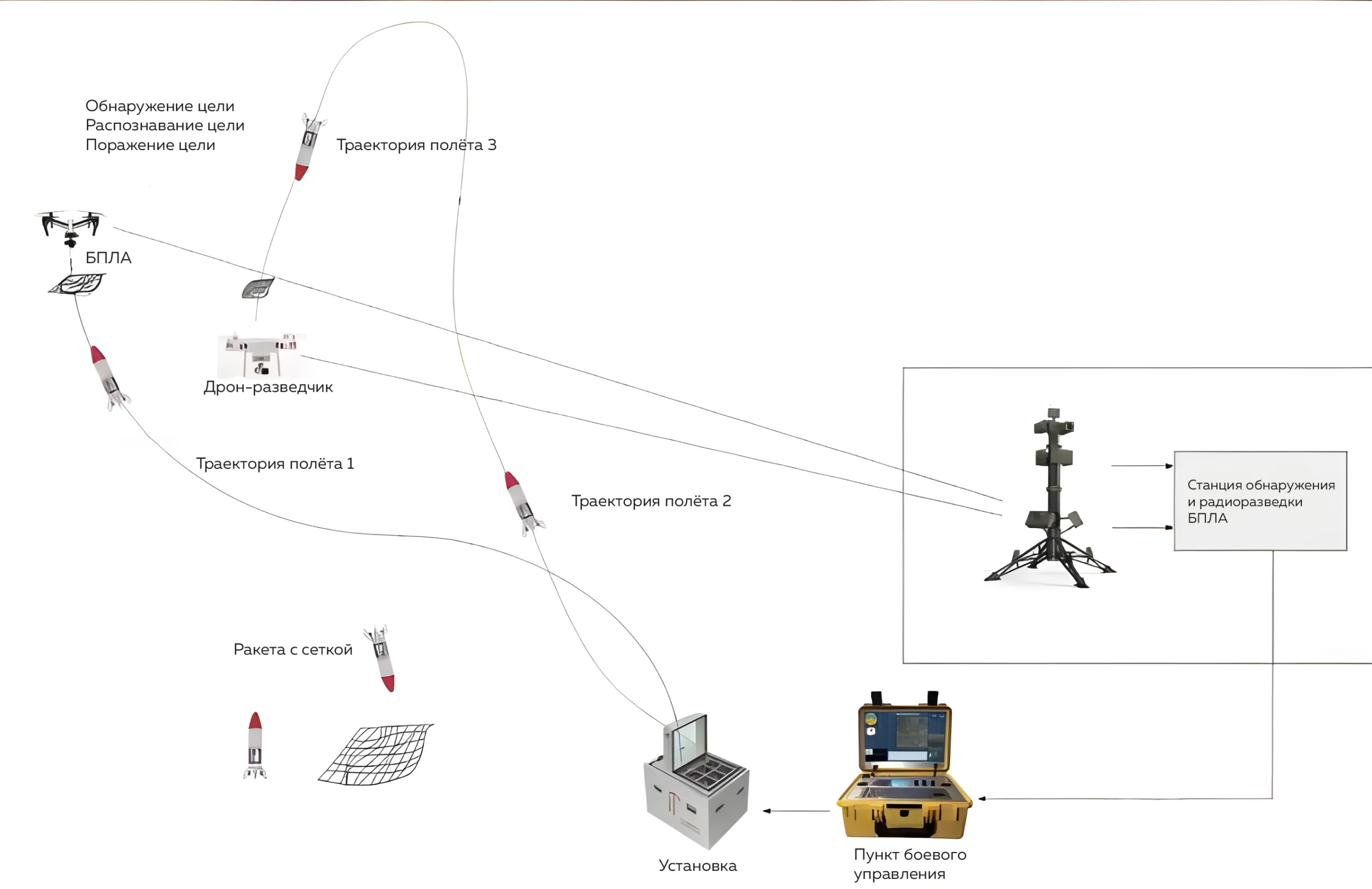
1. Discovery phase.
- Radar detection systems continuously scan the airspace and detect unmanned aerial vehicles.
- The radar transmits information about the target's location, speed and trajectory to a ground station.
2. Decision-making stage.
- The ground station receives radar data and analyzes the threat level of the target.
- Depending on the threat level, decide to launch the platform with the FPV payload for the attack.
3. Impact phase.
- The ground station sends a launch command to the FPV payload platform.
- The FPV payload platform responds quickly, launches, and targets autonomously or manually.
- The onboard AI controller tracks the target in real time and adjusts the flight path.
- Built-in FPV stabilizer provides high-precision image stabilization to ensure shooting accuracy.
4. Feedback and correction stage.
- During flight, the operator can manually adjust the trajectory of the FPV payload platform using a handheld launch system (if necessary).
- The system automatically makes adjustments based on real-time data to ensure the strike is effective.
What are the advantages of the anti-drone hood?
The main advantage is the high suppression efficiency. The complex works against most drones on the market. Its range of 3 km provides protection. The system is easy to install and manage. The intuitive interface does not require long training. The operator quickly monitors the air situation.
Hood v 2.0 works completely autonomously. Once configured, it operates without an operator. The complex is resistant to external radio interference. It reliably protects the perimeter in any weather. The system is compact in size and mobile. It is easy to transport and quickly deploy to a new location.
The complex consumes minimal electricity. This reduces operating costs. The system uses modern suppression algorithms. They provide selective impact on the target. “Hood” meets all the necessary requirements. It is certified for use in Russia.
Areas of application of the antidrone complex Hood
The complex is in demand for the protection of important facilities. It is used in industrial enterprises and warehouses. The system protects the territories of private properties and cottages. It is indispensable when holding mass events. Concerts, rallies, and sporting events need protection.
Anti-drone Hood is used at security and military facilities. It protects infrastructure: bridges, power plants, airports. The system is relevant for ensuring the security of VIPs. It is used by security services and private security companies. The complex is suitable for stationary and mobile protection.
Want to protect your space from drones? Anti-drone complex Hood v 2.0 is a proven solution. It combines power, reliability and ease of use. Protect your territory from unwanted airborne guests.
Buy an anti-drone hood right now at COPTERPARTS! Give yourself peace of mind and safety.
Launcher operation
Operating principle of radar
Operation of the air defense system
Air-to-air projectile operation
Disposal container
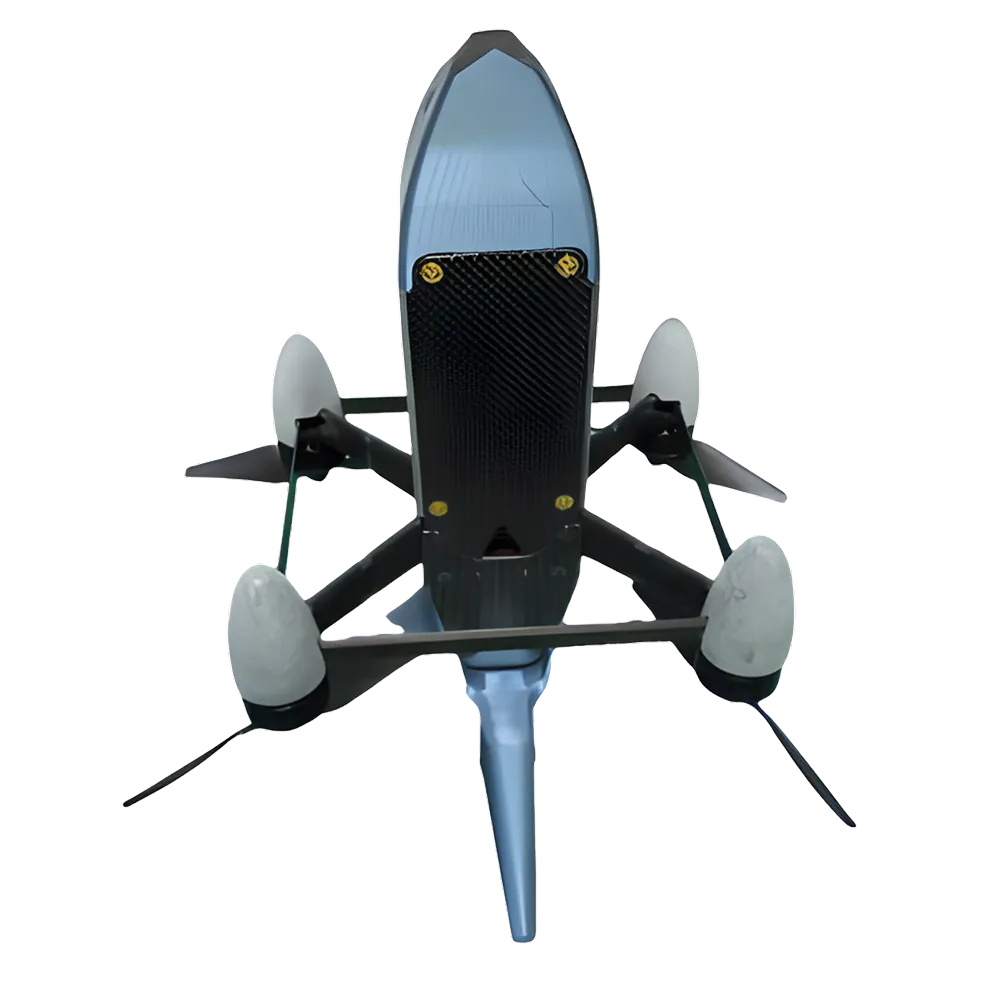
Disposal container
FPV air defense system to combat UAVs
Operating principle
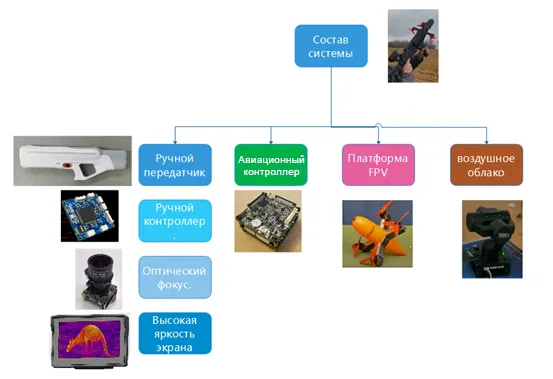
Anti-drone hood and its system composition
1. Radar detection system.
- Responsible for real-time airspace monitoring and drone target detection.
- Provides information about target location, speed and flight path.
2. Ground station.
- Reception of target information transmitted by a radar detection system.
- Analyze target information and determine the threat level.
- Sending commands to the FPV (small rocket) payload platform.
3. FPV (small rocket) payload platform.
- Receive commands from the ground station, respond quickly and launch.
- Autonomous or manual targeting of the drone.
- Uses a built-in AI controller to track and recognize targets.
- High-precision image and shock stabilization is achieved through the built-in FPV gimbal.
4. Manual starting system.
- For manual operator guidance to a target (as a backup or auxiliary means).
- Includes a handheld controller, ground surveillance and targeting system, human-computer interaction system and data transmission system.
- Can be used in the event of radar failure or manual intervention required.
System advantages
- High degree of automation: radar detection, analysis and decision making at the ground station reduce human intervention.
- Fast Response: The FPV payload platform is lightweight and can be quickly launched and brought closer to the target.
- Precision Strike: Built-in AI controller works in conjunction with the FPV gimbal to ensure precision strike.
- High flexibility: supports manual intervention and can respond flexibly in complex environments.
Application scenarios
- Border Defense: Quickly intercept invading drones to protect the border.
- Protecting critical facilities: airports, nuclear power plants, etc., to prevent interference or damage from drones.
- Urban security: countering threats from low-flying drones in urban environments.
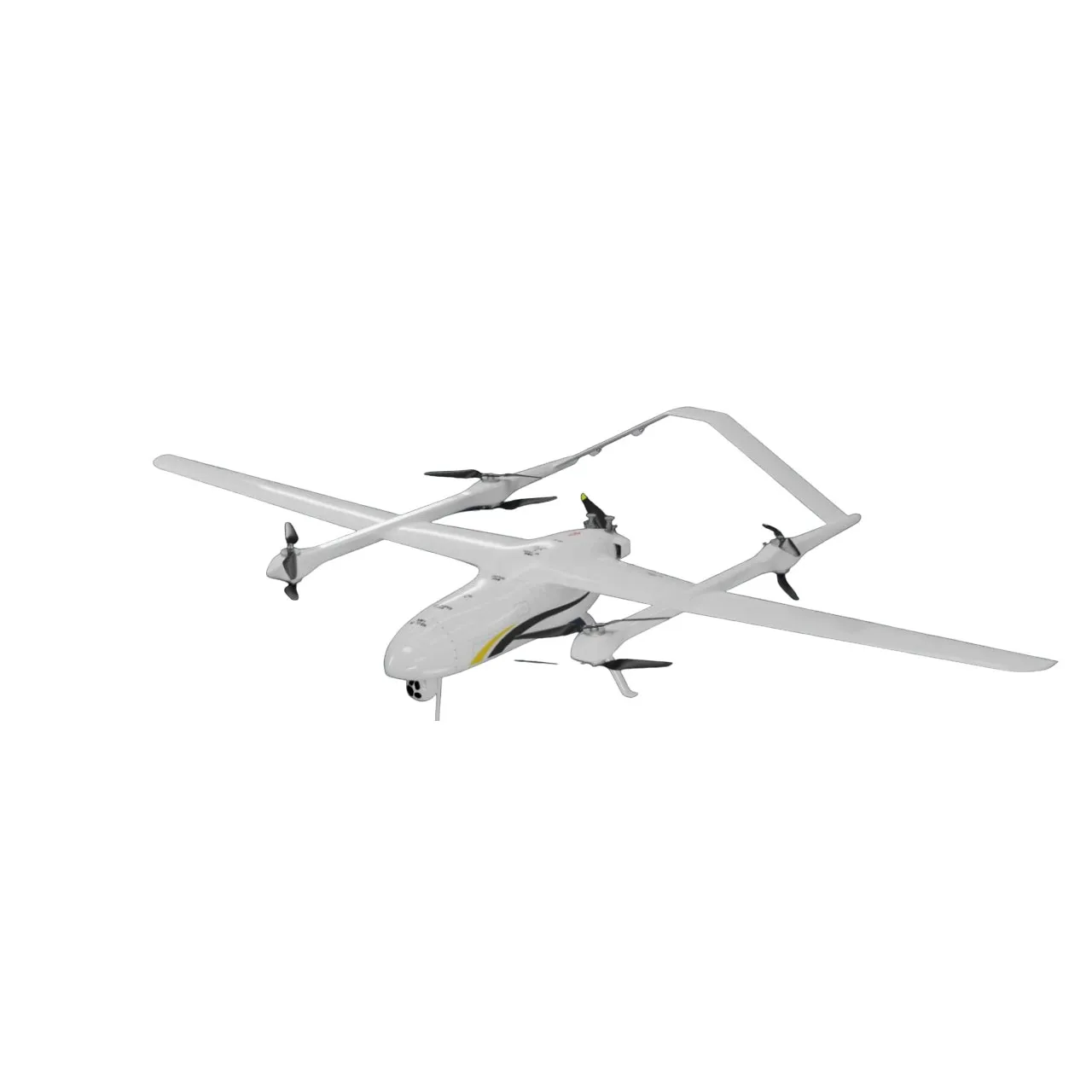
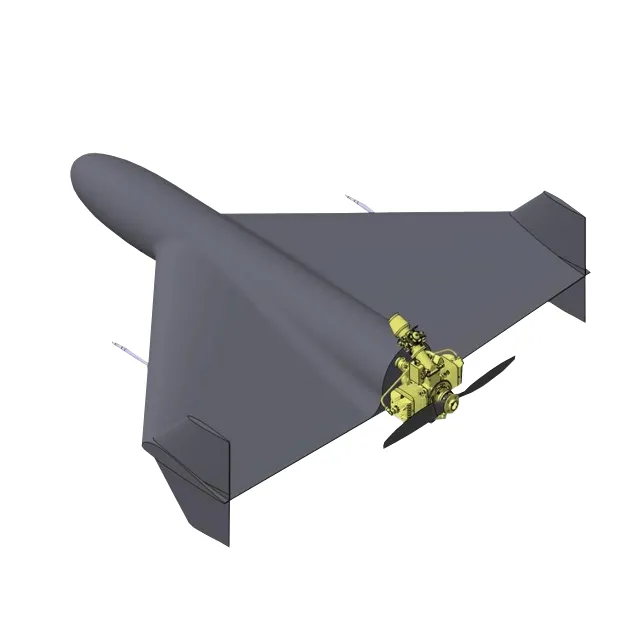
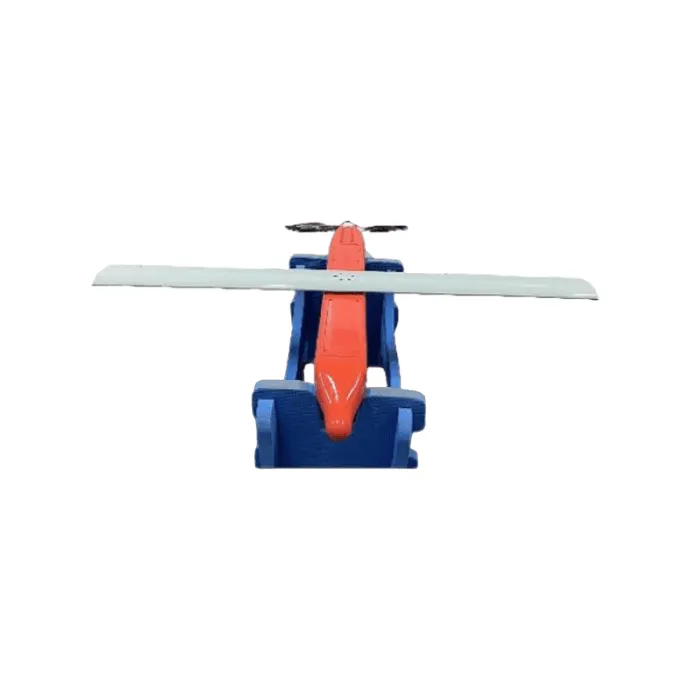
Drone Features
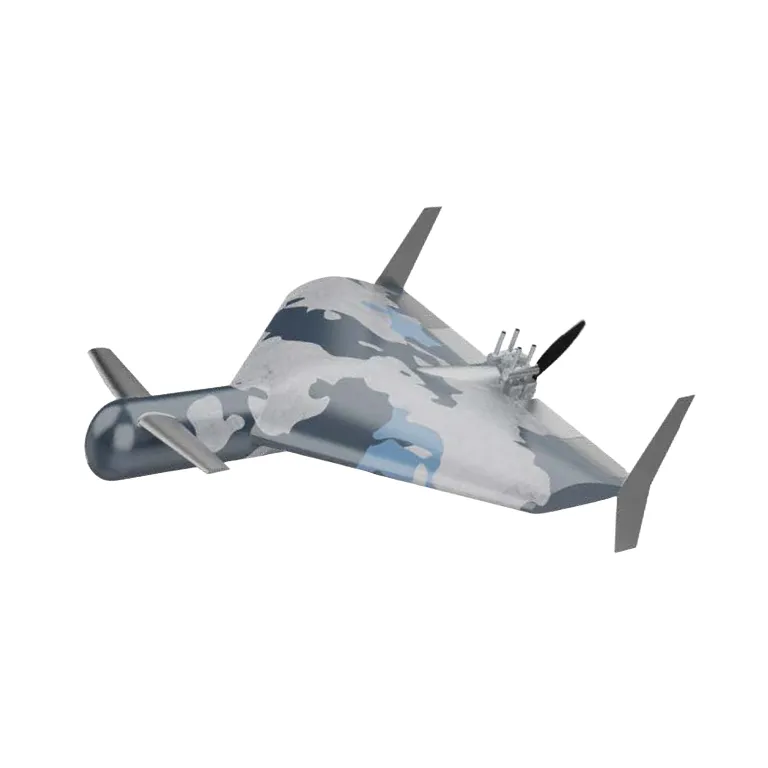
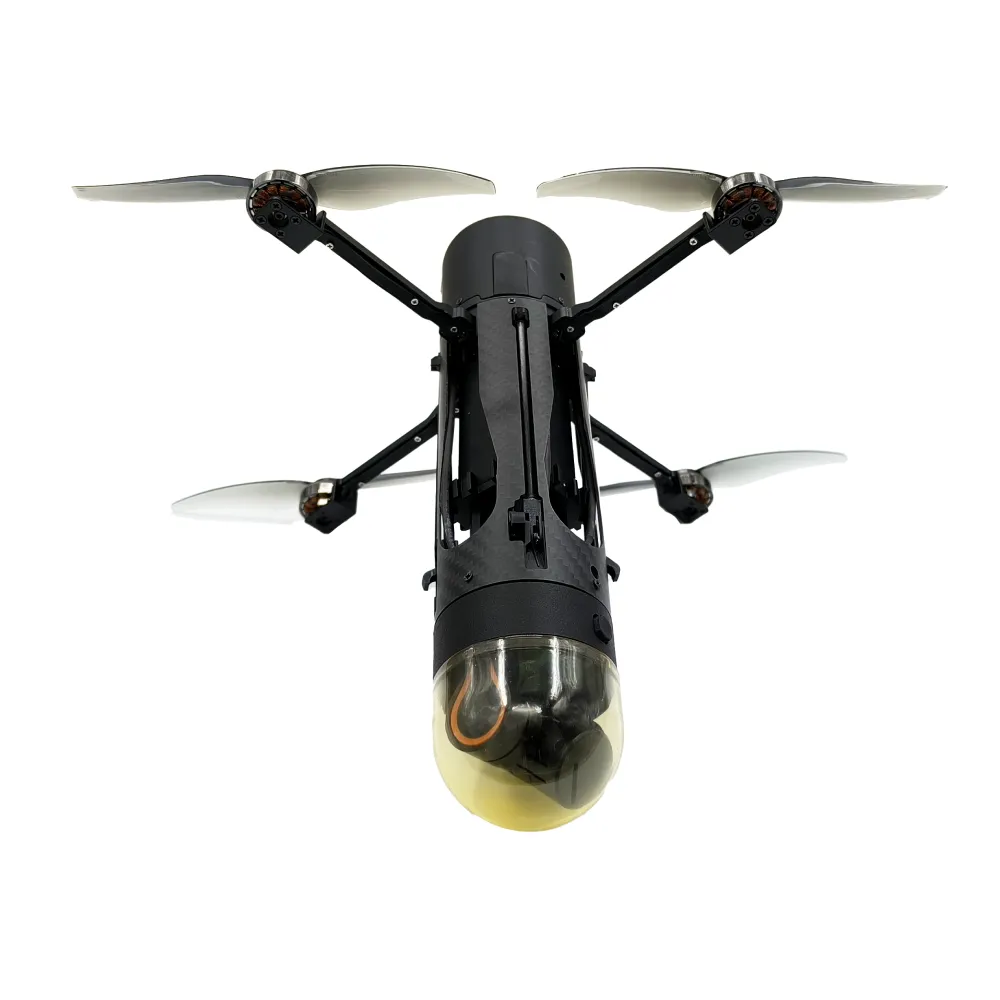
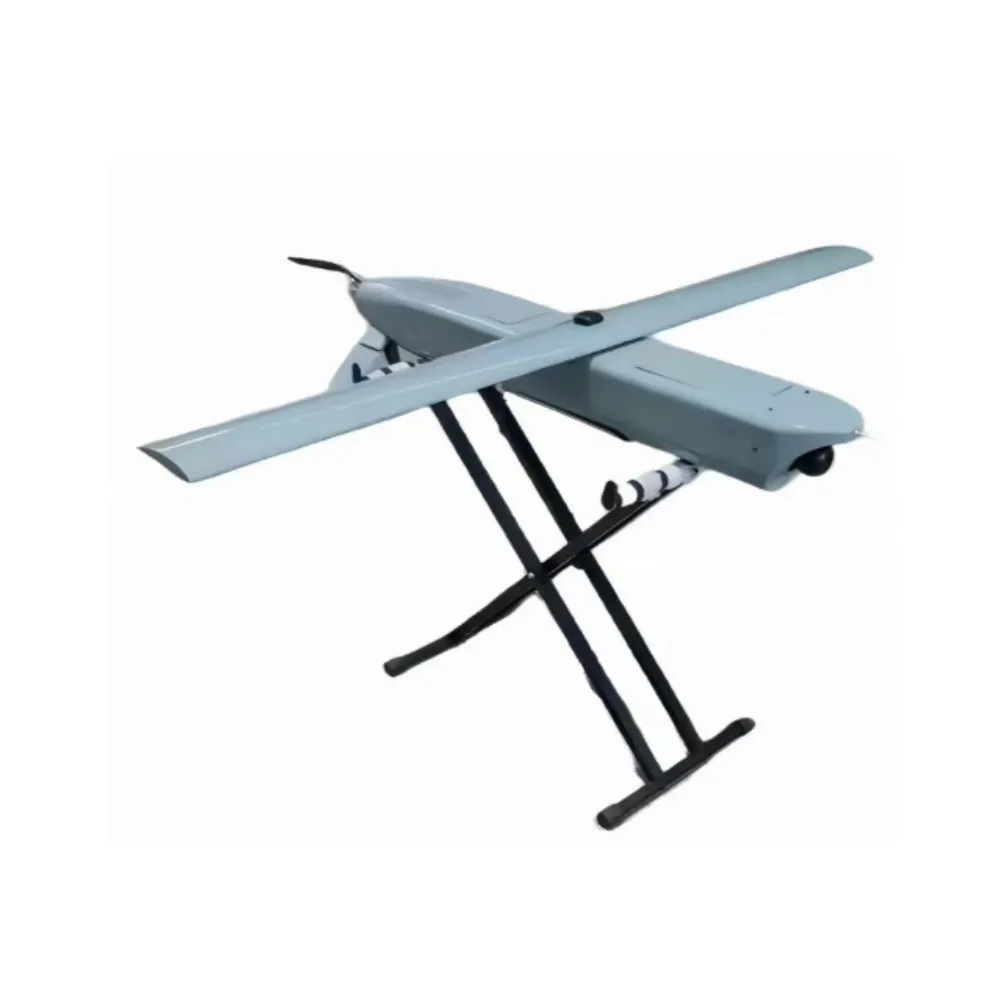
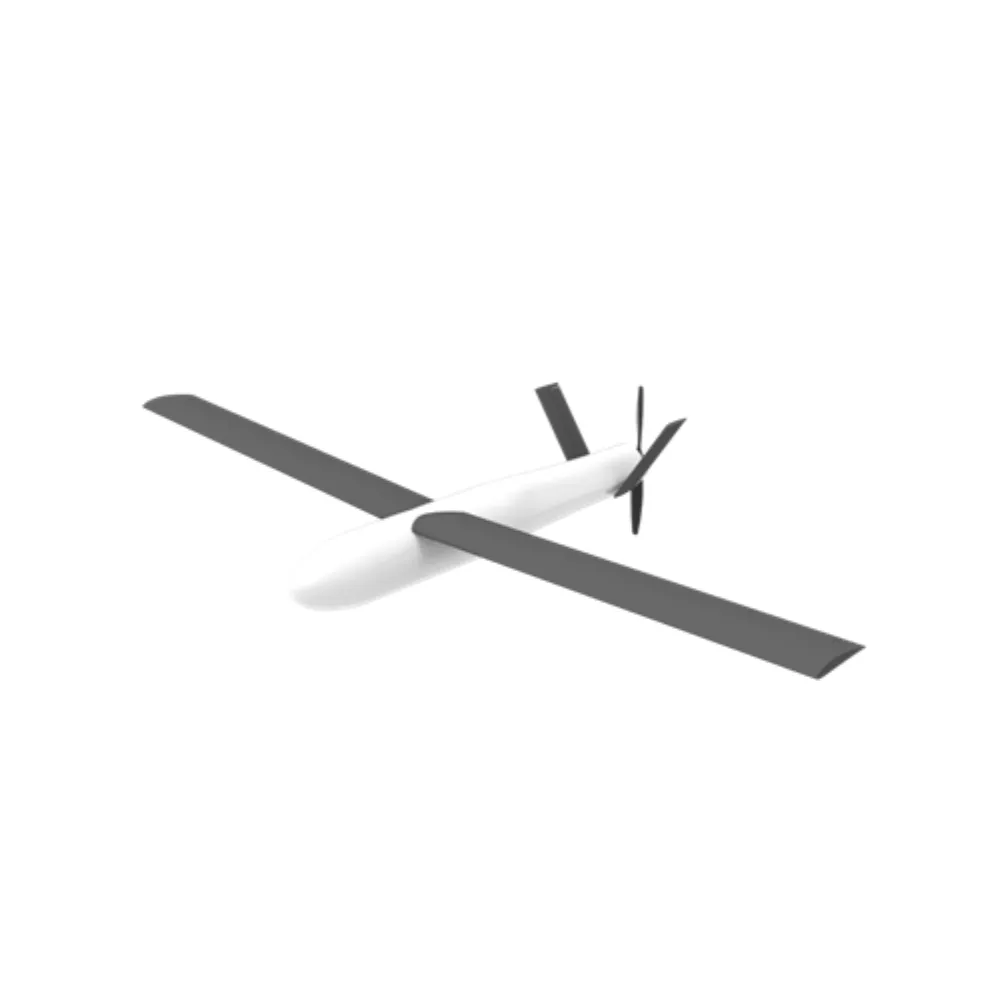
High-speed air-to-air attack drones designed to defeat fixed-wing drones, vertical take-off drones, transport drones, cruise missiles and other large drones.
System parameters
- Weight: 790 g;
- Maximum load: 100–120 g;
- Maximum speed: 380–400 km/h;
- Flight range: 3–5 km;
- Flight time without load: 5–8 minutes;
- Maximum flight time: 1–2 minutes;
- Starting method: from the base, from a manual starting device.
Radar detection
- Review
The LRD_AMP_R5000 low-altitude UAV detection radar consists of three parts: the radar host computer, the turntable and the control terminal software. It is mainly used to detect and track targets in the form of unmanned aerial vehicles at low altitudes.
It can output target distance, azimuth, altitude, speed, longitude, latitude and other information in real time, and can also provide precise guidance for the optoelectronic system.

- Operating mode
Radar Operation Mode - 360° Low Altitude Surround Mode: In this mode, after the display and control terminal software sends the operating mode to the radar, the radar host performs continuous 360° azimuth circular scanning under the control of the turntable.
The azimuth mechanical scanning process performs pitch and elevation scanning to cover the detection airspace in the range of 0°~30°. After the radar detects the target, it will establish navigation and track the target, and the target detection results will be reported to the display and control terminal.
- Application
(1) This system can be mounted on a tripod and used separately to stably detect and track UAVs in the airspace;
(2) This system can be coupled with an optoelectronic system to guide the optoelectronic system to identify drones; it can be linked with a jamming system and a deception system to control and destroy drones;
(3) The system can be removed from a tripod and mounted on the roof of a car to become a mobile monitoring station, or installed on a fixed point such as the roof of a building to become a stationary monitoring station.
- Main technical system
(1) Fully coherent pulsed Doppler system;
(2) Unit pulse angle measurement of sum and difference;
(3) coherent accumulation of IVD;
(4) Continuous CFAR false alarm detection;
-
Main operating parameters
(1) Operating frequency range: Ku, 16 GHz ± 150 MHz;
(2) Detection range and scanning method:
Azimuth: mechanical scanning 360°;
Pitch scanning range: ≥30°;
(3) Beam width:
Azimuth: ≤3°;
Tilt angle: ≤6°;
(4) Peak transmit power: ≤100W
(5) Detection distance (DJI Phantom 3 and 4, Pd = 85%)
Maximum detection range: ≥5km;
Minimum detection range: ≤250m;
Minimum detection speed: ≤2m/s;
(6) Three-dimensional measurement accuracy (root mean square error)
Distance measurement accuracy: ≤10m;
Azimuth accuracy: ≤0.5°;
Pitch accuracy: ≤0.5°;
(7) Data update rate
360° scanning data update rate: 3 s;
(8) Radar assembly dimensions: ≤650mm*400mm*100mm;
(9) Radar + turntable size: ≤650mm*650mm*250mm;
(10) Power: +28 V;
(11) The power consumption of the whole machine (including PTZ) is ≤ 300W;
(12) The weight of the whole machine (radar, gimbal, tripod) is ≤ 35kg;
Interface: Gigabit Ethernet port.