
Fixed Wing Drones Guide: Platforms, Kits and Selection
Fixed wing drones trade vertical hover for efficiency and range. Where a multirotor spends most of its energy holding itself up, a fixed wing glides forward and covers far more ground on the same battery. That makes it the right tool for mapping, surveying and long-endurance patrol — and the wrong tool if you need to hover in place. This guide compares the fixed wing category, explains what a PNP kit actually includes, and points to the real catalog parts that complete a build.
Multirotor versus fixed wing
The choice is about the mission. Multirotors take off vertically, hover and maneuver in tight space, but drain the battery quickly. Fixed wings need a runway or a launch, cannot hover, but fly for tens of minutes and cover wide areas. A mapping flight over a large field is a fixed wing job; a close inspection of one structure is a multirotor job. Most serious operators run both, and the mistake is buying one to do the other's work.
What a PNP fixed wing kit includes
A plug-and-play, or PNP, fixed wing usually comes as a finished airframe with the motor and ESC installed, but without the radio receiver, battery and sometimes the flight controller. That lets the builder use their own radio and electronics. The catalog's AtomRC Dolphin fixed wing PNP is that kind of ready airframe: the buyer supplies the radio link, battery and autopilot and assembles the rest.
The parts that make it fly
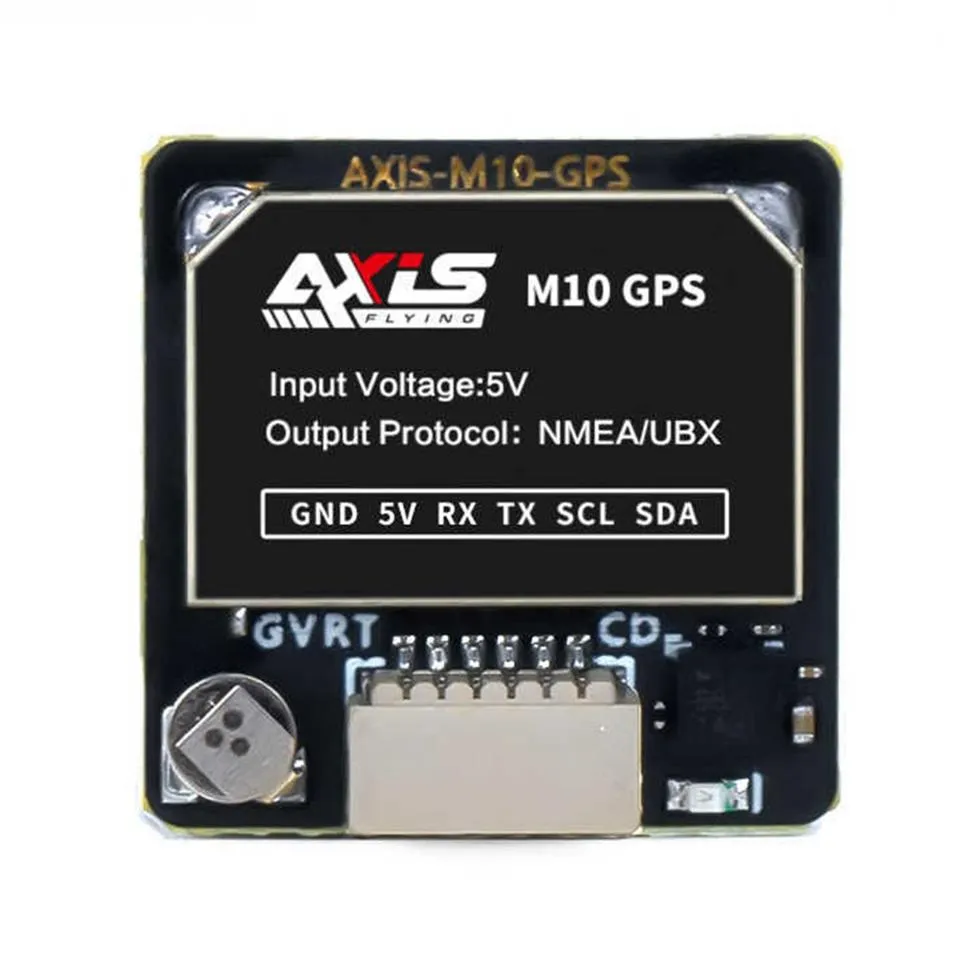
A fixed wing lives on navigation. A GPS module holds the waypoints that turn a hand-flown airplane into an autonomous mapping platform, and the catalog carries options like the AXISFLYING M10 GPS module and the u-blox M8030 GPS antenna module. The propeller choice on a pusher fixed wing also matters, with a stiffer prop like the 9047 carbon fiber propeller delivering more efficient cruise than a flexible one.
Compliance and operating notes
Fixed wings fly farther and higher than most multirotors, which means they spend more time where other airspace users operate. Responsible operators plan the route, stay within altitude limits, and never lose sight of the aircraft unless an approved operation allows otherwise. A long mapping mission is exciting, but it is run like a flight plan, not a free flight.
How to choose
Decide by mission first: wide-area mapping and long endurance point to a fixed wing; close inspection and hover work point to a multirotor. Then pick the kit format that matches your existing radio and battery, and budget for the GPS, the props and the bench charging that keep it flying. The 9imod accessory range covers the supporting electronics that a finished airframe still needs.
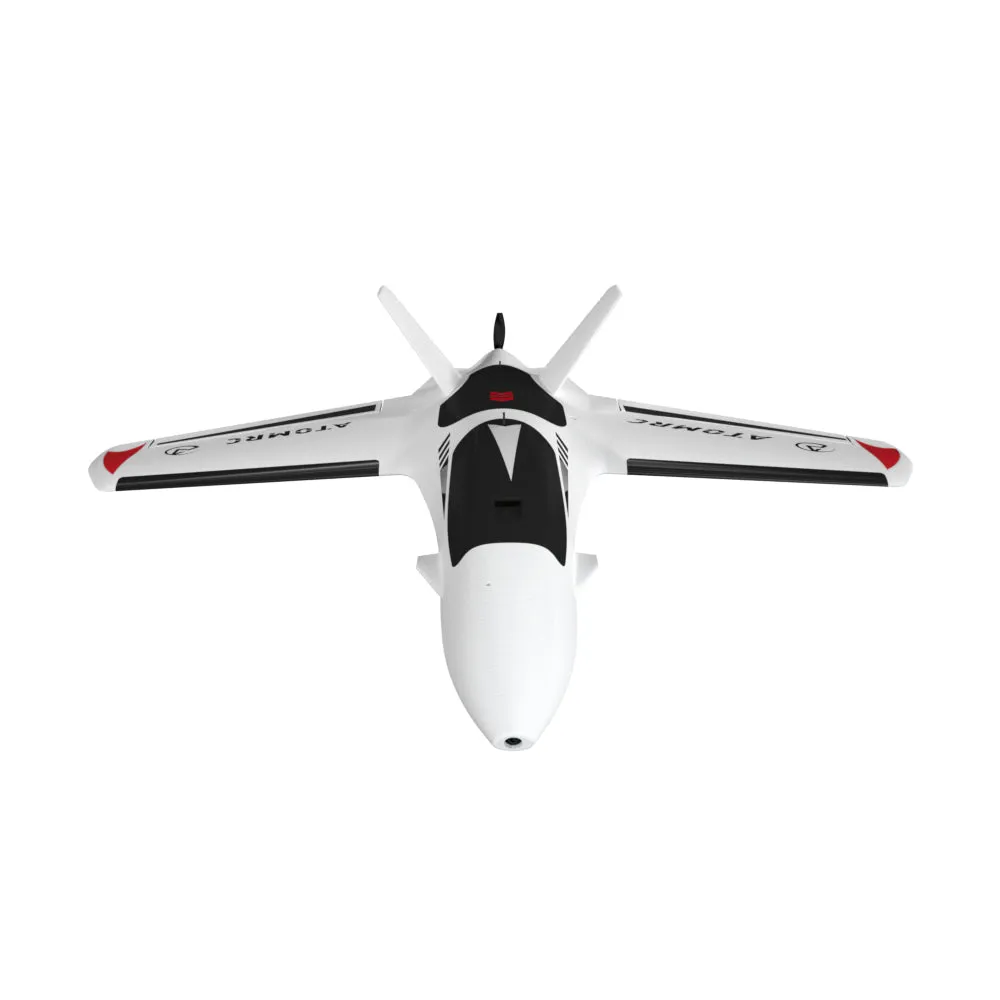
The mission profile decides the fixed-wing class almost on its own. A short-range survey plane that hand-launches and lands on a belly skid is built for simplicity; a long-endurance mapping airframe is built for wings that carry a camera and a battery for hours. Before comparing models, write down the area you need to cover per flight, the runway or launch you actually have, and whether you need to take off vertically or can accept a hand launch or a short roll. Those three facts eliminate most of the catalog before you read a single spec.
Autonomy is where a fixed wing earns its keep. A multirotor maps by hovering in a grid, which is slow and battery-hungry; a fixed wing flies a planned mission line by line and returns on its own. That depends on a solid GPS and navigation stack that holds the waypoints even when the pilot takes hands off. A module that holds position reliably is the difference between a survey that completes itself and one that needs constant correction. For mapping work, the navigation stack matters more than the airframe's top speed.
Landing and recovery deserve as much thought as takeoff. A fixed wing lands faster than a multirotor hovers, so the landing site has to be real, clear and available at the end of every flight. Belly landings scratch the airframe; wheeled landings need a smooth strip; a parachute recovery softens the arrival but adds a system to inspect. Budget for the recovery method in the same breath as the airframe, because a beautiful mapping plane that crashes on the first botched landing is a write-off no spec sheet prevents.
Payload integration on a fixed wing is where a survey mission succeeds or fails. The camera or survey module has to sit where the airframe's centre of gravity expects it, and the airframe has to be re-trimmed after the mount changes. A ballast or camera slung under the wing shifts the flight characteristics, and a platform that flew beautifully empty may wander with the payload fitted. Test the trimmed airframe with the camera mounted before planning a mapping grid, because a survey drone that is out of trim wastes every flight on correction rather than coverage.