FPV (First Person View) drones provide immersive, low-latency flight through onboard cameras and video goggles, used for freestyle acrobatics, drone racing, cinematic filming, and increasingly for industrial inspection in confined spaces.
FPV drones Market Overview
Key Specifications & Features
- Complete BNF (Bind-N-Fly) and PNP drones from 1.6" Tiny Whoops to 10" long-range platforms
- Analog (20ms latency) and digital HD (DJI O3, Walksnail, HDZero) video systems up to 1080p/100fps
- ExpressLRS (ELRS) 2.4GHz/900MHz control links with 50km+ range and 1-4ms latency
- 5" freestyle/racing: 2207-2306 motors (1700-2700 KV), 4S-6S, 4-6 minute flight times
- Cinemelifters (6-10") capable of carrying GoPro or RED Komodo cameras with 3-axis gimbals
How to Choose FPV drones
A systematic 5-step process for selecting FPV drones for your specific operational requirements.
- 1
Define Flying Style
Freestyle/acrobatic, racing, cinematic, long-range, or indoor Tiny Whoop. Each dictates frame size, motor KV, video system, and battery choice. Start with a simulator if new.
- 2
Choose Airframe Size
1-2" for indoor; 3" for backyard; 5" for freestyle/racing (most popular); 6-7" for cinematic; 7-10" for long-range; cinelifters for cinema payloads.
- 3
Select FPV Video System
Analog (~20ms latency, low cost, community racing standard) or digital HD (DJI O3/Walksnail/HDZero for 1080p). Digital costs more but provides DVR-quality footage and obstacle awareness.
- 4
Pick Radio Protocol
ExpressLRS (ELRS) recommended for range, latency, and cost. 2.4GHz for general use; 900MHz for long-range. Avoid FrSky D8 for new builds. TBS Crossfire remains premium for long-range.
- 5
Budget for Spares & Safety
FPV drones crash. Budget 30-50% extra for props, motors, antennas, and batteries. Always use LiPo-safe bags, fire extinguisher, and register your drone per local regulations.
Top Rated FPV drones on Aegisky


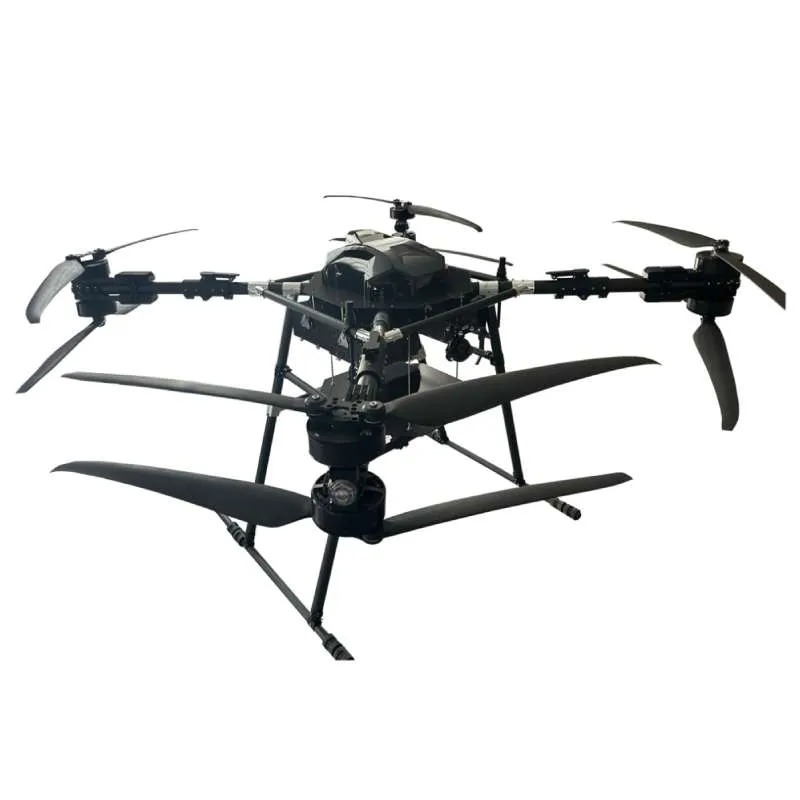

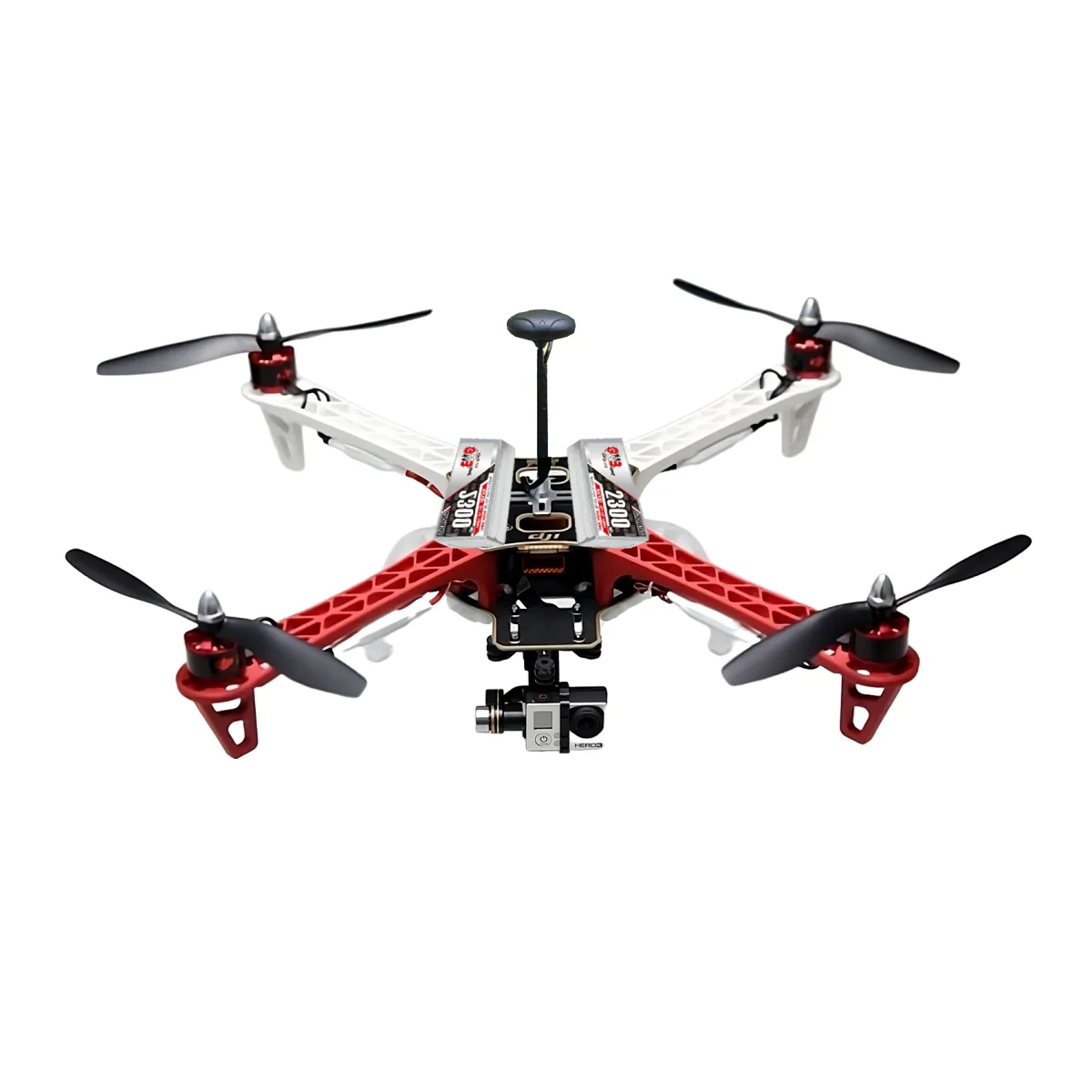
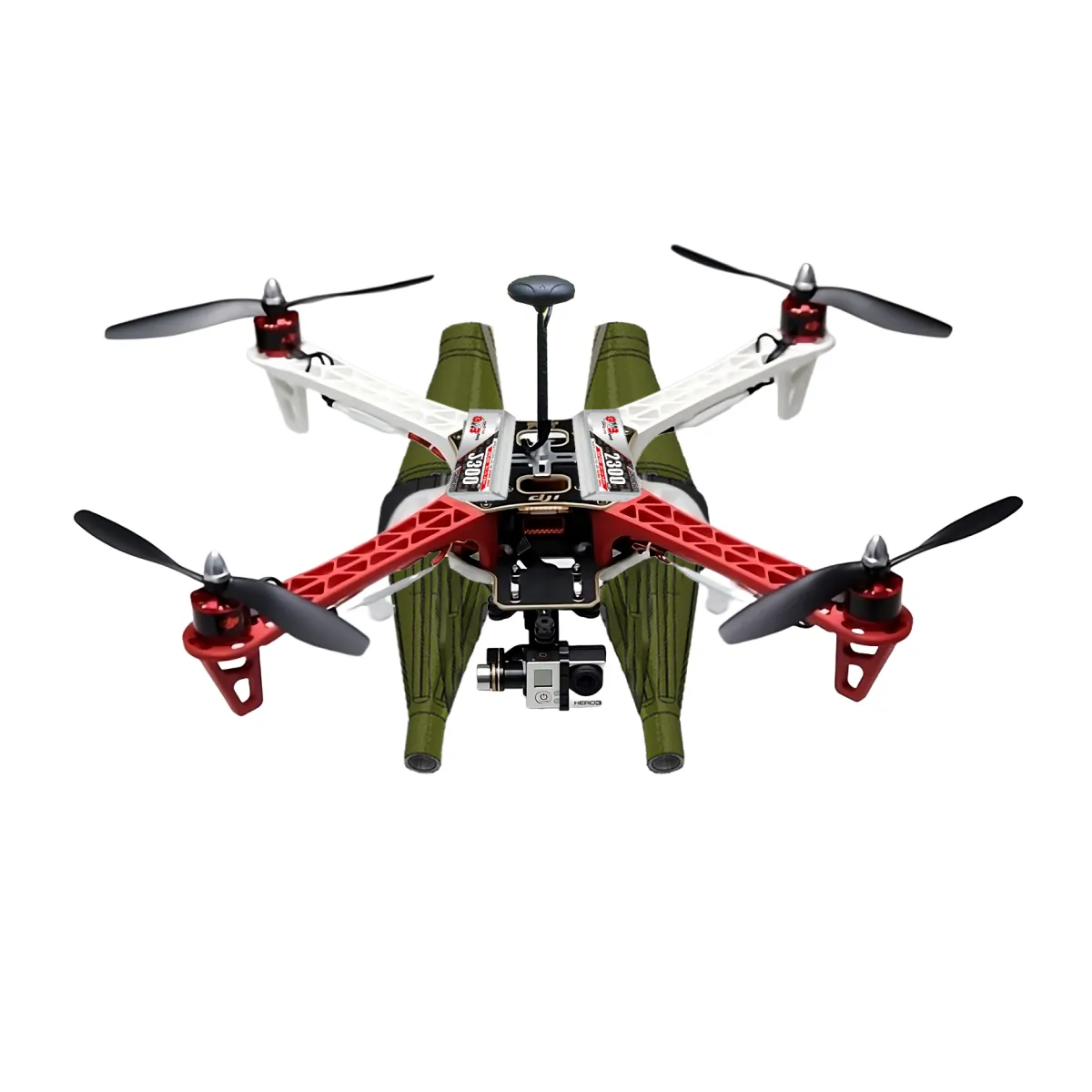
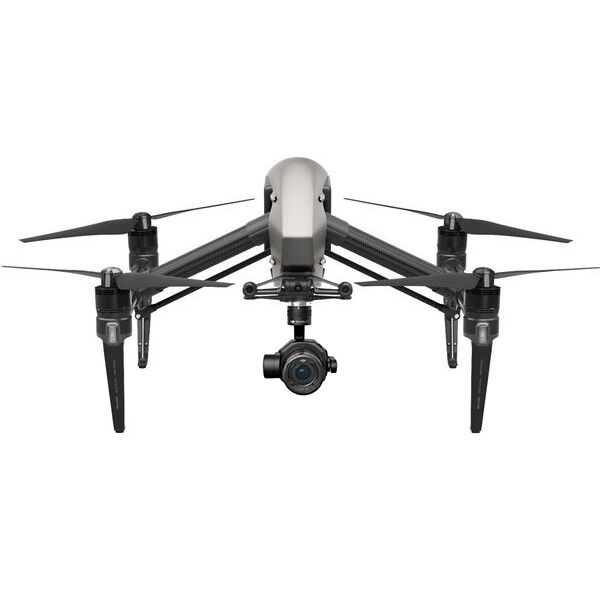
Key Terms & Definitions
BNF
Bind-N-Fly — a ready-to-fly drone that binds to your existing radio transmitter. No assembly required.
ELRS
ExpressLRS — open-source radio protocol offering long range and low latency at 2.4GHz or 900MHz.
VTX
Video Transmitter — sends camera feed to goggles. Power from 25mW (indoor) to 1.6W+ (long-range).
OSD
On-Screen Display showing battery voltage, current draw, flight time, GPS coordinates, and warnings.
Frequently Asked Questions
Analog or digital FPV — which should I buy?
For racing, analog still offers the lowest latency and is the standard at events. For freestyle and cinematic, digital HD (DJI O3 or Walksnail) provides dramatically better situational awareness and DVR footage. Many pilots fly both.
How much does a complete FPV setup cost?
A 5" freestyle BNF drone ($200-400), ELRS transmitter ($50-150), goggles ($100-500), batteries ($30-80 each, need 4-6), charger ($50-150), and simulator ($10-20). Budget $500-1,200 for a complete quality setup.
Do FPV drones require FAA registration?
In the US, drones over 250g require FAA registration ($5). FPV flights must remain within VLOS (Visual Line of Sight) unless you have a Part 107 waiver. Check local regulations as they vary by country.
Related Resources
Request a Bulk Quote
Need FPV drones for your organization? Get competitive quotes from verified suppliers with bulk pricing, OEM/ODM options, and global shipping.
Start RFQ