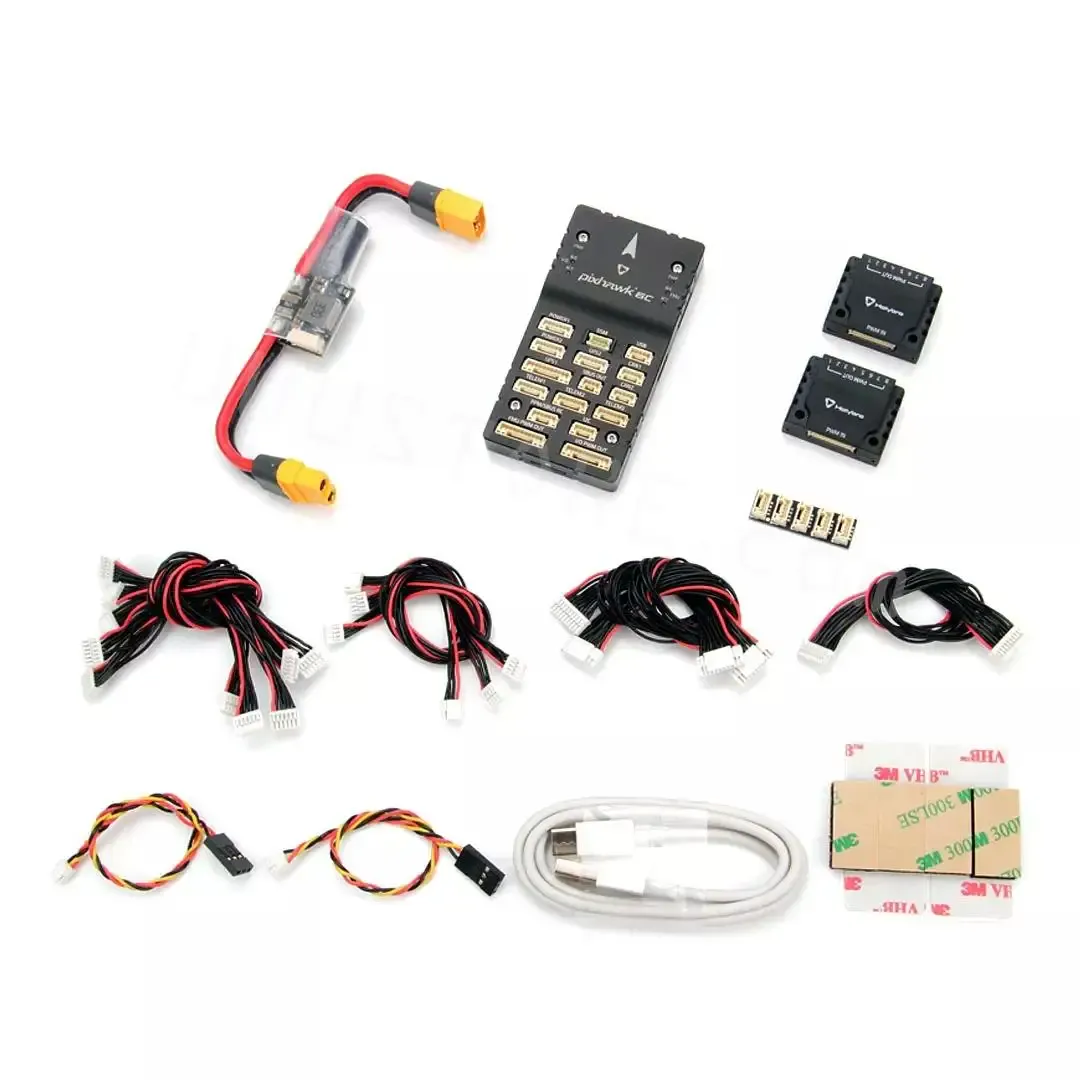
The flight controller is the central processing unit of every drone, running flight firmware (PX4, ArduPilot, Betaflight) that translates pilot commands into motor signals while maintaining stability through IMU, barometer, and GPS fusion.
Autopilots Market Overview
Key Specifications & Features
- STM32 F4/F7/H7 microcontrollers from 168MHz to 480MHz with hardware floating-point for PID loops
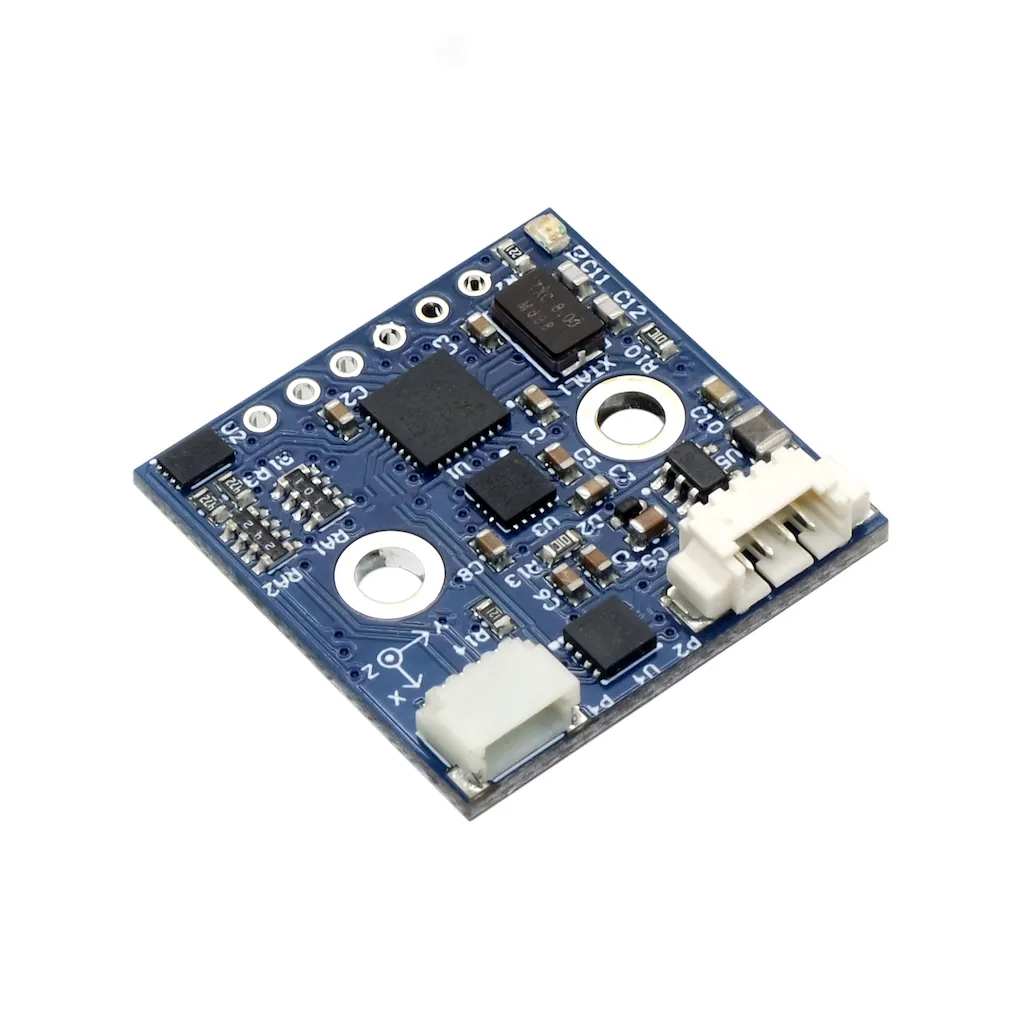
- Dual IMU redundancy (ICM-42688P, BMI270) for fault-tolerant enterprise operations
- Integrated OSD, Blackbox logging (16MB+ flash), and 5V/9V BEC for clean power distribution
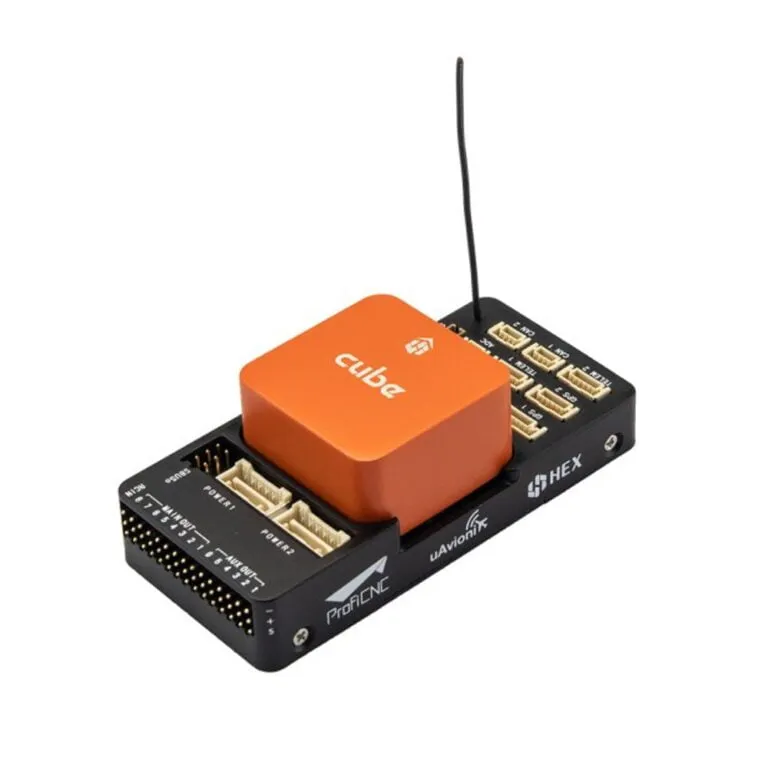
- PX4 and ArduPilot support for autonomous missions, RTK GPS integration, and payload control
- Multiple UART ports (6-12) for GPS, telemetry, ESC telemetry, VTX, receiver, and peripherals
How to Choose Autopilots
A systematic 5-step process for selecting flight controllers and autopilots for your specific operational requirements.
- 1
Choose Firmware Ecosystem
Betaflight for FPV freestyle/racing; PX4 or ArduPilot for enterprise/autonomous missions; INAV for fixed-wing/long-range. Firmware determines available features and peripheral support.
- 2
Select MCU Class
F4 (168MHz) for 5" FPV; F7 (216MHz) for digital HD systems; H7 (480MHz) for enterprise with dual IMU, heavy logging, and complex autonomous missions. H7 also supports higher loop frequencies.
- 3
Evaluate Sensor Suite
Look for dual IMUs (gyro+accelerometer) for redundancy, high-resolution barometer (DPS310/BMP388), onboard compass for GPS-free navigation, and vibration-dampening sensor mounting.
- 4
Check Connectivity
Count UARTs for your peripherals: GPS, receiver, VTX control, ESC telemetry, Bluetooth/WiFi, camera gimbal, and payload. Enterprise FCs need CAN ports for ESCs and peripherals.
- 5
Consider Form Factor & Mounting
30.5x30.5mm standard for most drones; 20x20mm for compact builds; 25.5x25.5mm for micro. Soft-mounting (gel pads) reduces gyro noise from motor vibrations.
Top Rated Autopilots on Aegisky





Key Terms & Definitions
PID Loop
Proportional-Integral-Derivative control loop running at 4-32kHz that stabilizes the drone by adjusting motor speeds based on gyro error.
IMU
Inertial Measurement Unit combining gyroscope (angular rate) and accelerometer (linear acceleration). Dual IMUs provide failover redundancy.
UART
Universal Asynchronous Receiver/Transmitter — serial port for connecting GPS, receivers, telemetry radios, and other peripherals.
OSD
On-Screen Display — overlays flight data (battery voltage, timer, GPS coordinates) onto FPV video feed.
Frequently Asked Questions
Should I choose PX4 or ArduPilot for my enterprise drone?
PX4 is preferred for new enterprise designs with its modular architecture and ROS 2 integration. ArduPilot has broader hardware support and more mature mission planning for fixed-wing and rovers. Both support RTK GPS, terrain following, and payload control.
What is the difference between F4, F7, and H7 flight controllers?
F4 (168MHz) handles basic FPV; F7 (216MHz) adds processing headroom for digital HD systems; H7 (480MHz) supports dual IMU redundancy, higher PID loop rates, and complex autonomous missions. For enterprise, H7 is strongly recommended.
Do I need a separate flight controller for autonomous missions?
Yes. FPV flight controllers running Betaflight do not support waypoint navigation. You need an autopilot running PX4 or ArduPilot with GPS, compass, and telemetry radio for autonomous missions, geofencing, and RTL (Return to Launch).
Related Resources
Request a Bulk Quote
Need flight controllers and autopilots for your organization? Get competitive quotes from verified suppliers with bulk pricing, OEM/ODM options, and global shipping.
Start RFQ